





ABS-M30
Production-grade Thermoplastic
ABS-M30™ is up to 25 to 70 percent stronger than standard ABS and is an ideal material for conceptual modeling, functional prototyping, manufacturing tools and production parts.
ABS-M30 has greater tensile, impact and flexural strength than standard ABS. Layer bonding is significantly stronger than that of standard ABS, for a more durable part.
This results in more realistic functional tests and higher quality parts for end use. ABS-M30 parts are stronger, smoother and have better feature detail.

ABS-M30 Material Profile
Learn more about the benefits of Fused Deposition Modeling printed parts
FDM Materials Profile
Learn more about the benefits of 3D printed FDM parts
Take a closer look at some of Stratasys’ most popular and versatile FDM materials along with six useful applications.
The materials covered in this video span from standard plastics (ABS-M30 and ASA) to engineering (Nylon 12) and high performance plastics (ULTEM 9085 and ULTEM 1010).

Main Uses
ABS-M30 is 25-75% stronger than the standard ABS material and provides realistic functional test results along with smoother parts with finer feature details.
ABS-M30 Material Applications
ABS-M30 Material Specification
Properties and testing results for the 3D printing material
| MECHANICAL PROPERTIES | TEST METHOD | ENGLISH | METRIC | ||
|---|---|---|---|---|---|
| XZ Axis | ZX Axis | ZX Axis | ZX Axis | ||
| Tensile Strength, Yield (Type 1, 0.125”, 0.2”/min) | ASTM D638 | 4,550 psi | 3,750 psi | 31 MPa | 26 MPa |
| Tensile Strength, Ultimate (Type 1, 0.125”, 0.2”/min) | ASTM D638 | 4,650 psi | 4,050 psi | 32 MPa | 28 MPa |
| Tensile Modulus (Type 1, 0.125”, 0.2”/min) | ASTM D638 | 320,000 psi | 310,000 psi | 2,230 MPa | 2,180 MPa |
| Tensile Elongation at Break (Type 1, 0.125”, 0.2”/min) | ASTM D638 | 7% | 2% | 7% | 2% |
| Tensile Elongation at Yield (Type 1, 0.125”, 0.2”/min) | ASTM D638 | 2% | 1% | 2% | 1% |
| Flexural Strength (Method 1, 0.05”/min) | ASTM D790 | 8,700 psi | 7,000 psi | 60 MPa | 48 MPa |
| Flexural Modulus (Method 1, 0.05”/min) | ASTM D790 | 300,000 psi | 250,000 psi | 2,060 MPa | 1,760 MPa |
| Flexural Strain at Break (Method 1, 0.05”/min) | ASTM D790 | 4% | 3.5% | 4% | 3.5% |
| MECHANICAL PROPERTIES | TEST METHOD | ENGLISH | METRIC |
|---|---|---|---|
| XZ Axis | XZ Axis | ||
| IZOD Impact, notched (Method A, 23°C) | ASTM D256 | 2.4 ft-lb/n | 128 J/m |
| IZOD Impact, un-notched (Method A, 23°C) | ASTM D256 | 5.6 ft-lb/in | 300 J/m |
| THERMAL PROPERTIES | TEST METHOD | ENGLISH | METRIC |
|---|---|---|---|
| Heat Deflection (HDT) @ 66 psi, 0.125” unannealed | ASTM D648 | 204°F | 96°C |
| Heat Deflection (HDT) @ 264 psi, 0.125″ unannealed | ASTM D648 | 180°F | 82°C |
| Vicat Softening Temperature (Rate B/50) | ASTM D1525 | 210°F | 99°C |
| Glass Transition (Tg) | DMA (SSYS) | 226°F | 108°C |
| Coefficient of Thermal Expansion (flow) | ASTM E831 | -05 4.90×10 in/in/°F | -05 8.82×10 mm/mm/°C |
| Coefficient of Thermal Expansion (xflow) | ASTM E831 | -05 4.70×10 in/in/°F | -05 8.46×10 mm/mm/°C |
| Melting Point | ——— | Not Applicable2 | Not Applicable2 |
| ELECTRICAL PROPERTIES | TEST METHOD | ORIENTATION | VALUE RANGE |
|---|---|---|---|
| Volume Resistivity | ASTM D257 | XZ Axis | 4.0×10 – 3.3×10 ohm-cm |
| Dielectric Constant | ASTM D150-98 | XZ Axis | 2.6 – 2.86 |
| Dissipation Factor | ASTM D150-98 | XZ Axis | 0.0048 – 0.0054 |
| Dielectric Strength | ASTM D149-09, Method A | XY Axis | 100 V/mil |
| Dielectric Strength | ASTM D149-09, Method A | XZ Axis | 360 V/mil |
| OTHER | TEST METHOD | VALUE |
|---|---|---|
| Specific Gravity | ASTM D792 | 1.04 |
| Rockwell Hardness | ASTM D785 | 109.5 |
Fused Deposition Modeling (FDM) Service
Advantages of parts built with a Stratasys FDM 3D Printer
Tough long-lasting parts
High-performance thermoplastics combined with precision extrusion processes let us build strong, long-lasting and dimensionally stable parts;
TriMech production grade FDM solutions provide clients with the best accuracy, repeatability, and material selection of any 3D printing technology.
Used commonly in aerospace, automotive and transportation, manufacturing, and more, this process is helping clients do more, do it better, and do it for less.
Meet production demands
TriMech FDM production systems are as versatile and durable as the parts they produce.
With the largest full-convection build envelopes and material capacities in their class, we can provide longer, uninterrupted build times, bigger parts and higher quantities than other additive manufacturing service providers.
In combination with our material portfolio, we are challenging the limits of what can be done with FDM technology.
Gain new possibilities
TriMech’s FDM specialists will help to streamline your business processes from design through manufacturing, eliminating the need for physical inventories and moving beyond the limitations of traditional manufacturing, whilst offering unparalleled efficiency, design freedom, and production agility.
Leverage the best solution on the market without the capital expense of in-house equipment: we deliver a tailored service, combining 20+ years of experience with industry-leading FDM technologies. Regardless of industry, we’ll help optimize timelines, costs, and approach.
Industries we work with
TriMech Advanced Manufacturing is used in a wide variety of industries
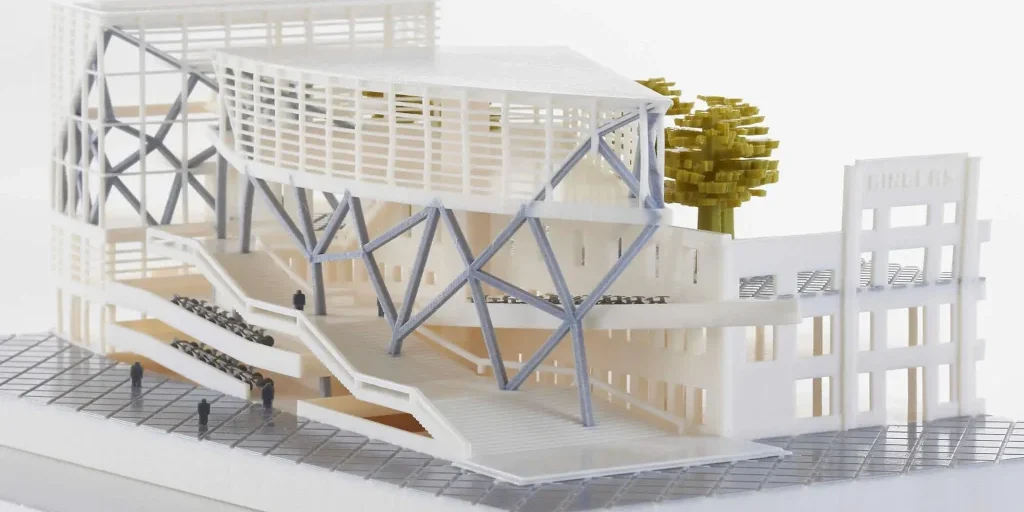
Architectural Design & Construction
- Model making
- Urban planning
- Concepts

High Tech & Consumer Products
- Aesthetic and function testing
- Concepts and prototypes
- Sales and marketing models
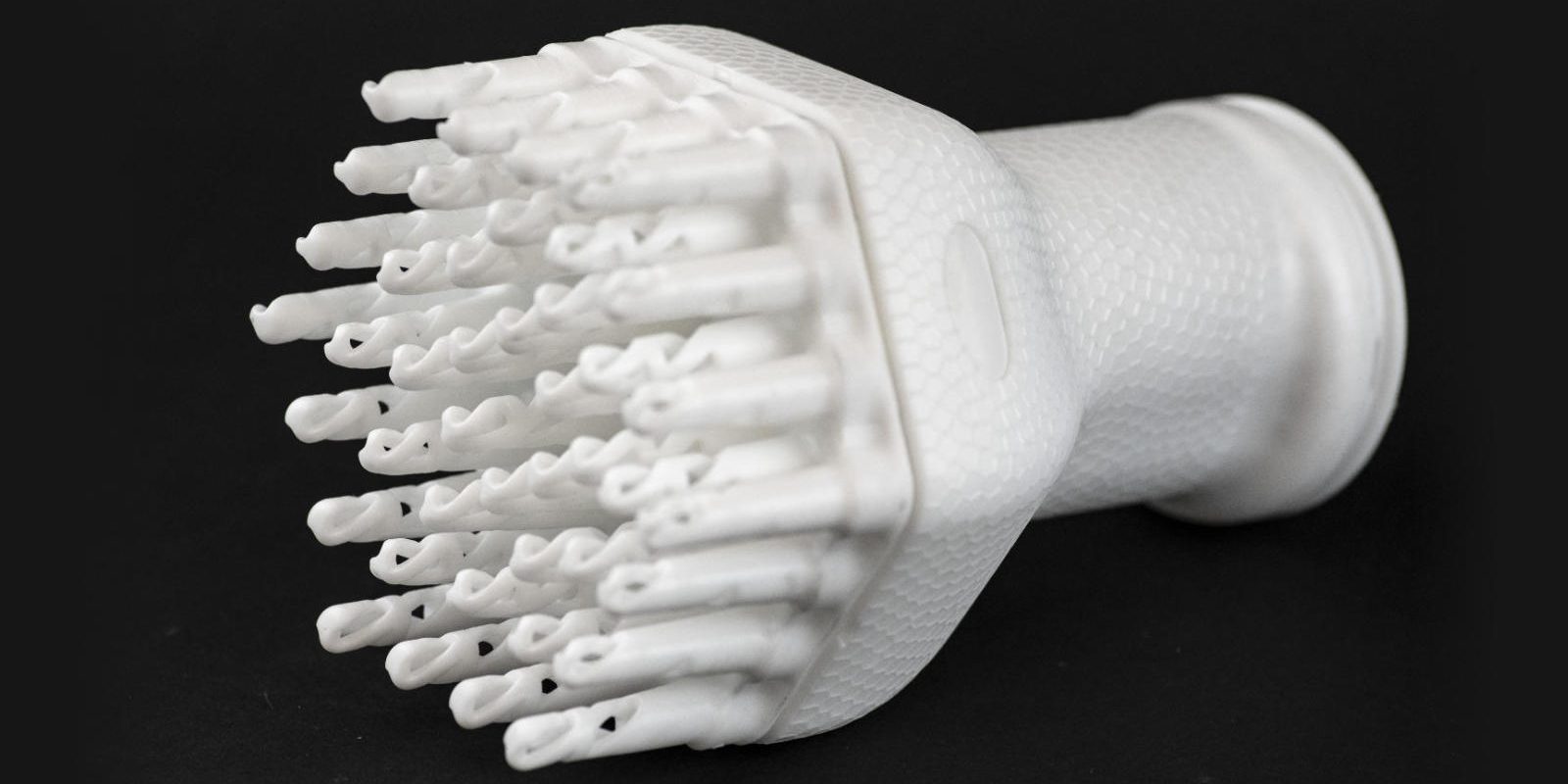
Dental, Medical & Life Sciences
- Anatomical models
- Medical devices
- Orthopedics
- Prosthetics
- Surgical planning models
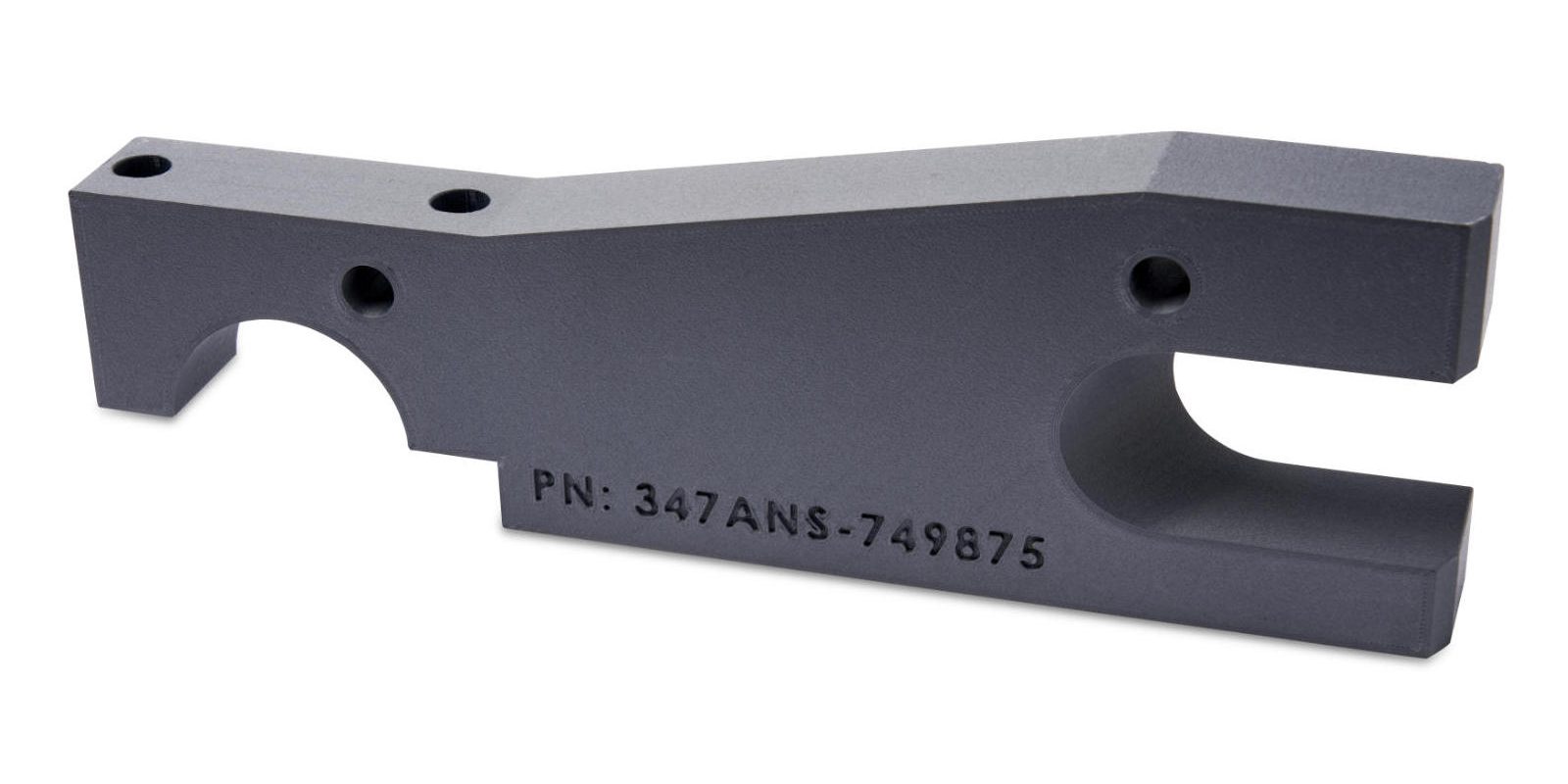
Industrial Products, Mold Tool & Die
- Jigs, fixtures, and assembly tooling
- Injection molding
- Silicone molding
- Sand and investment casting
- Thermoforming
More Materials
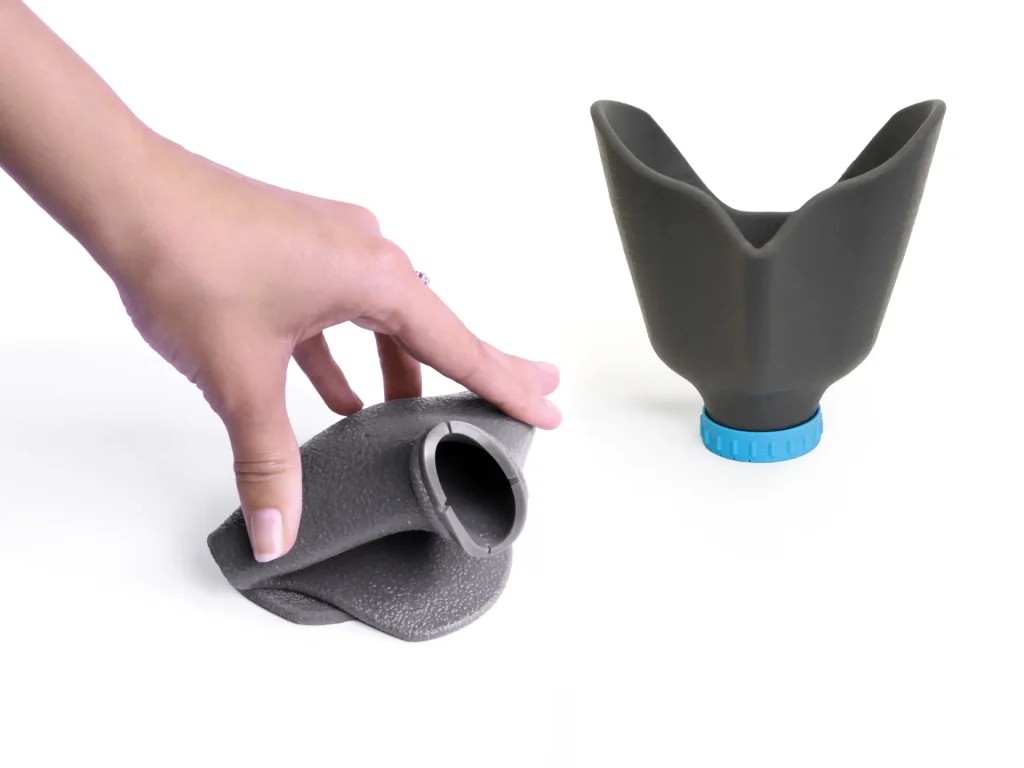
Stratasys P3 Silicone 25A
Stratasys P3 Silicone 25A is a soft, flexible, and durable elastomer that features unique properties versus traditional polymers thanks to its distinct silicone-oxygen backbone.
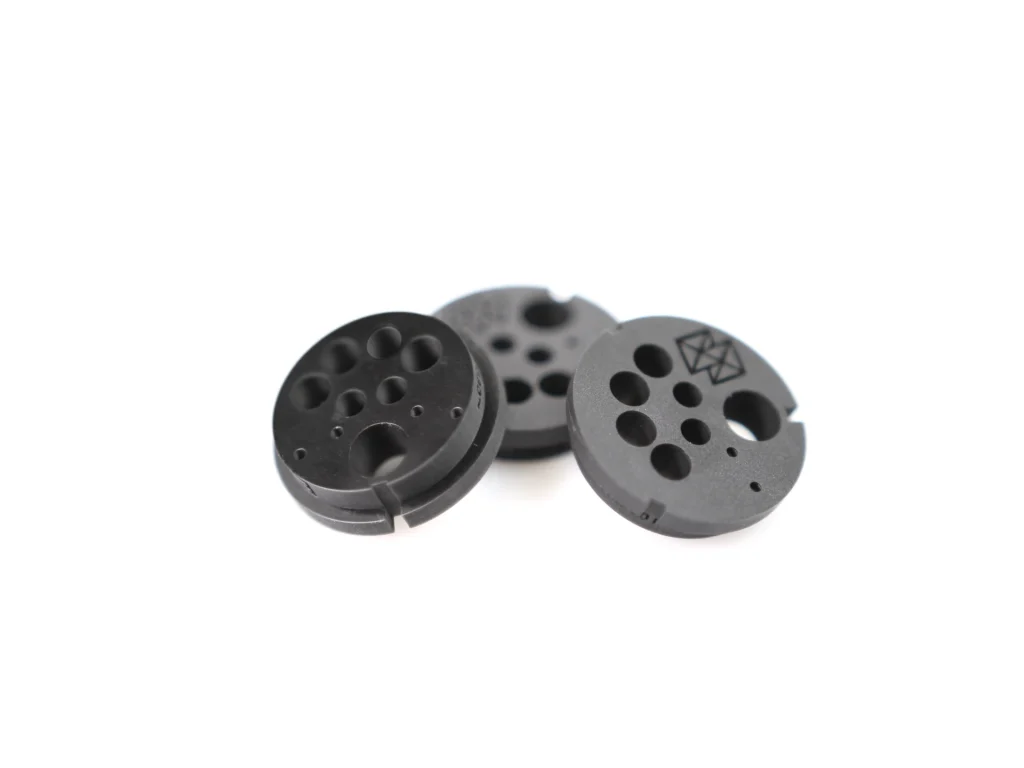
Loctite 3D IND3380 ESD
LOCTITE 3D IND3380 ESD is a high-temperature, electrostatic dissipative resin ideal for jigs, fixtures, and electronic manufacturing. Offers 190°C HDT, high stiffness, and chemical resistance.
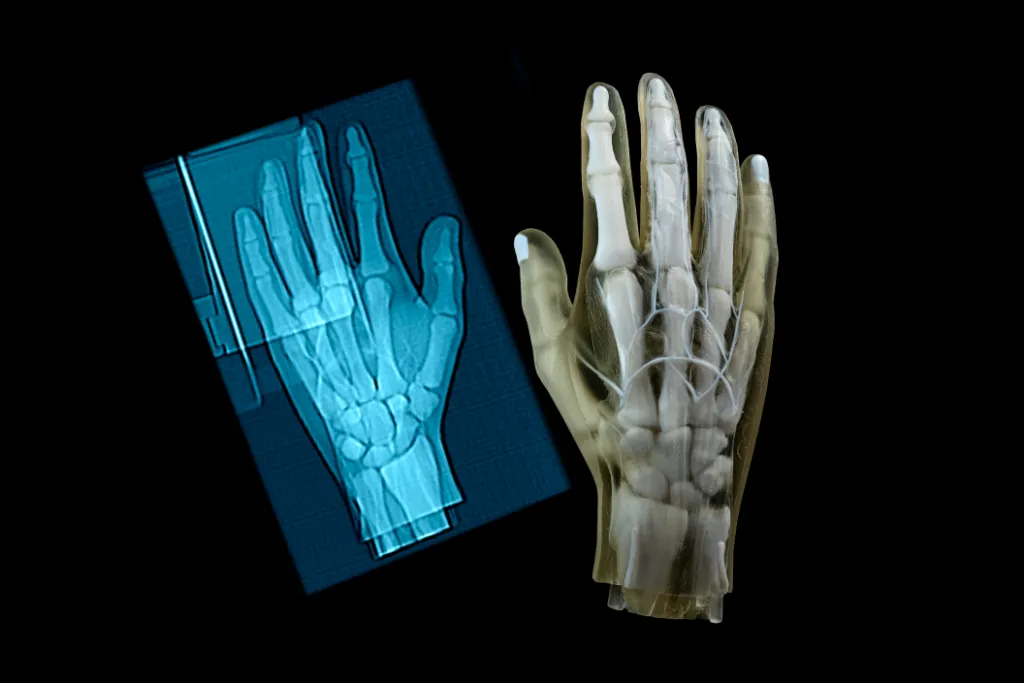
RadioMatrix
RadioMatrix is a 3D printing material designed to replicate radiopacity under X-ray and CT imaging.