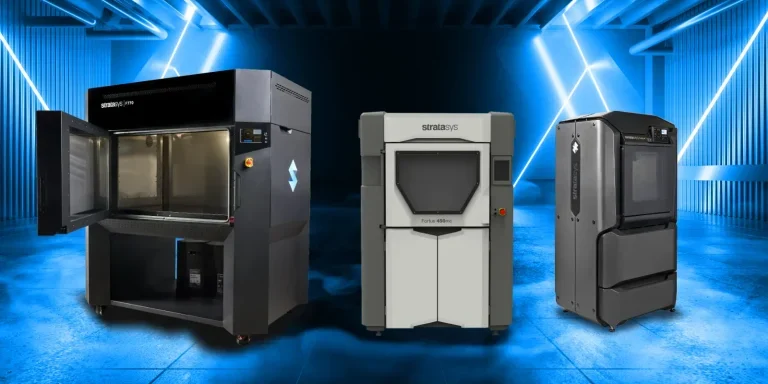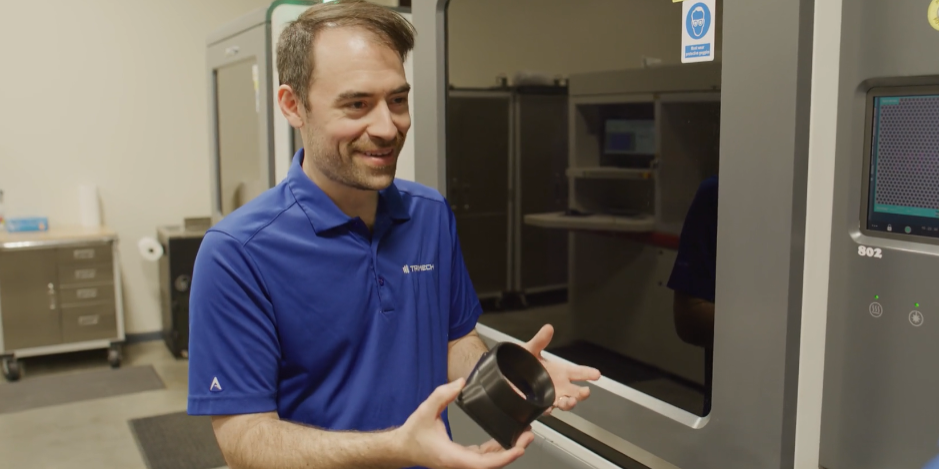





What are FDM 3D Printers?
Fused Deposition Modeling is an additive manufacturing process also known as 3D printing. This contrasts with subtractive manufacturing like machining, which removes material to produce an object.
FDM’s additive nature and soluble support material simplify the creation of parts with complex geometries and internal cavities. FDM technology is clean and office-friendly, thanks to production grade materials that are mechanically and environmentally stable. FDM thermoplastics also deliver the necessary properties for applications that demand precise tolerances, durability, and stability in different environments. They include many of the same thermoplastics used in traditional manufacturing processes like injection molding.
Why choose an FDM 3D Printer
Stratasys FDM technology offers valuable efficiencies over conventional manufacturing methods, letting you cut production costs while benefiting from shorter lead times for quicker market entry.
FDM’s broad material portfolio addresses a wide spectrum of applications, from functional prototyping to end-use parts.
Advantages of Fused Deposition Modeling (FDM 3D Printing)
FDM technology is trusted for its precision, reliability and repeatability. With printers that are at home in an office, to industrial-grade platforms for the factory floor, it is one of the easiest 3D printing technologies to learn and operate.
Material diversity opens your application space with capabilities bridging engineering-grade plastics to high-performance polymers.
FDM Technology Overview
Engineering FDM 3D Printers Capabilities & Features
3D print durable parts with real thermoplastic

Engineering FDM 3D Printers 3D Printers
Professional engineering machines from Stratasys
Engineering FDM 3D Printers Benefits
Our Professional 3D printers make it simple for rapid design and prototyping
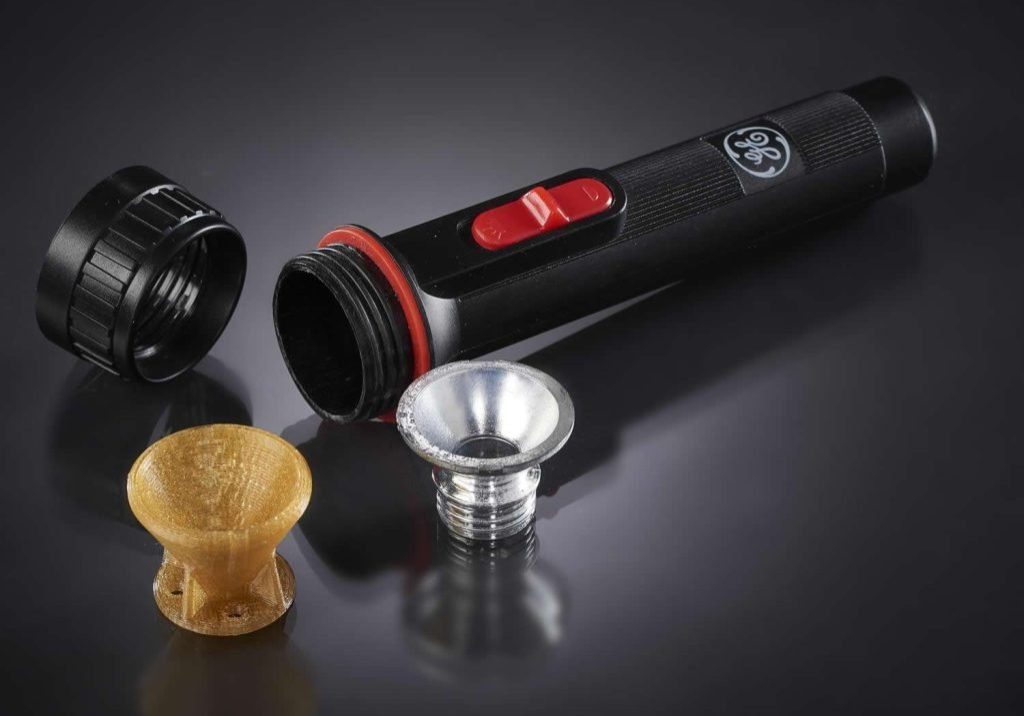
Proof of Concept
Engineering 3D Printers create models and prototype parts directly from digital data, quickly, easily and locally, for concept verification, design validation and functional testing. That’s a game-changing advantage in a competitive market where the winner is often decided by who gets to market first.
It antiquates traditional methods of prototyping that rely on expensive and time-consuming modeling machining or injection molding
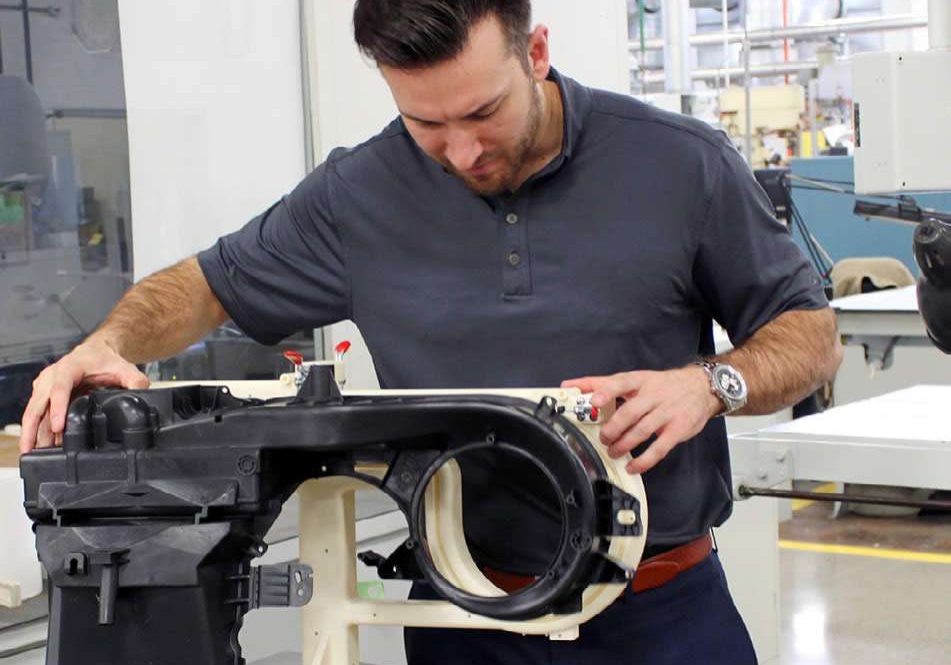
Create Tooling
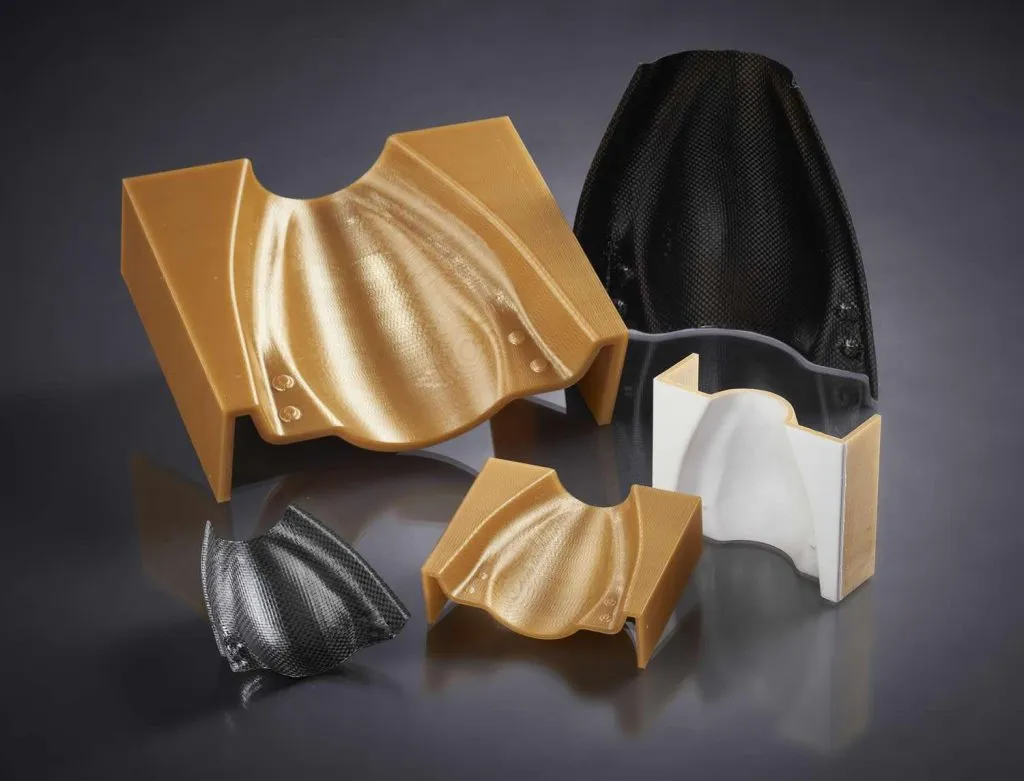
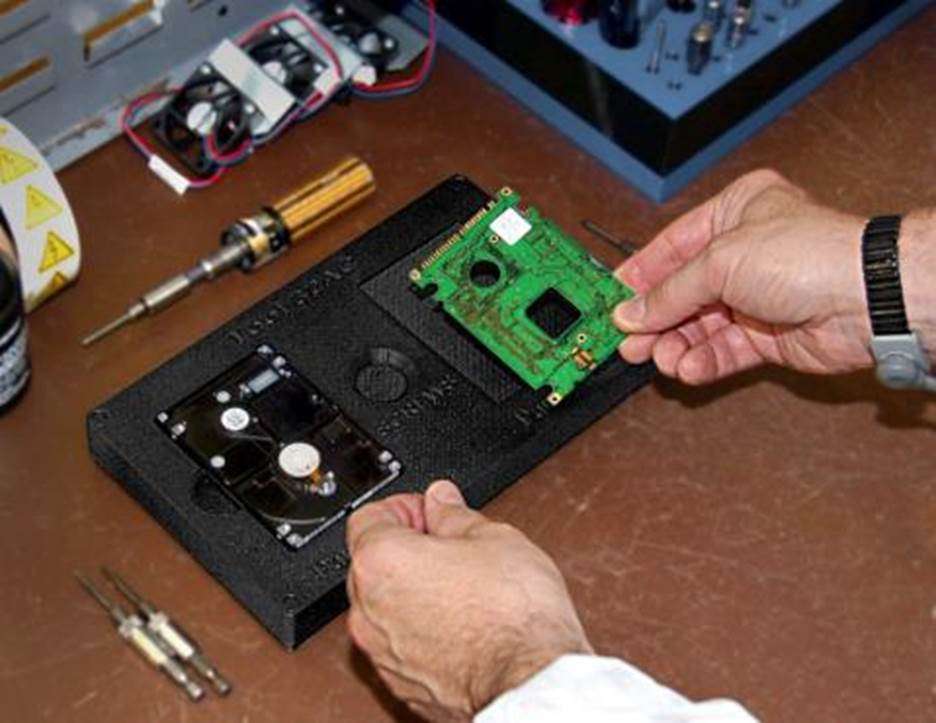
Create the perfect tool for the job, even if it’s hollow, contoured, customized or otherwise too complex for traditional tool-production processes like CNC machining.
Consolidate several components to reduce tool complexity, integrated features such as fastener, RFID, pockets, text and labeling can be included. Design for ergonomics or maximum functionality rather than manufacturability.
Production Parts
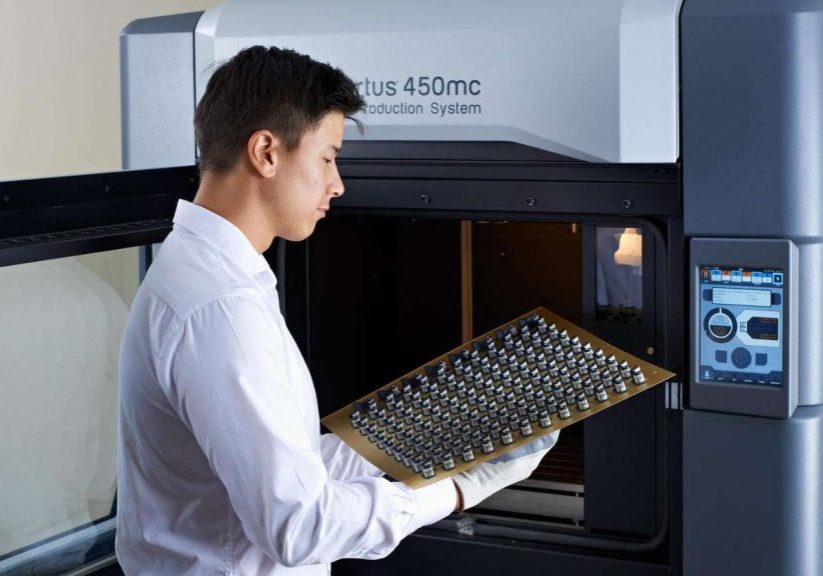
Printing a low-volume production run with FDM machines can maximize sales opportunities while minimizing cost and lead time because there’s no minimum quantity requirement. Plus, part complexity doesn’t add time or cost, so production can begin as soon as the CAD files are sent to the 3D production system.
The FDM systems provide a fast and accurate means of producing tooling. The efficiency of the FDM 3D Printing process makes it practical to optimize tooling design.
Stratasys FDM Materials
3D print your parts from a variety of thermoplastics
Example Printed Models
3D parts created with Engineering FDM 3D Printers




Engineering FDM 3D Printers Resources
Find the Perfect Material
We have a complete selection of high-quality materials, specifically chosen for your FDM 3D printer.