




End of Arm Tooling (EOAT)
EOAT in days not months
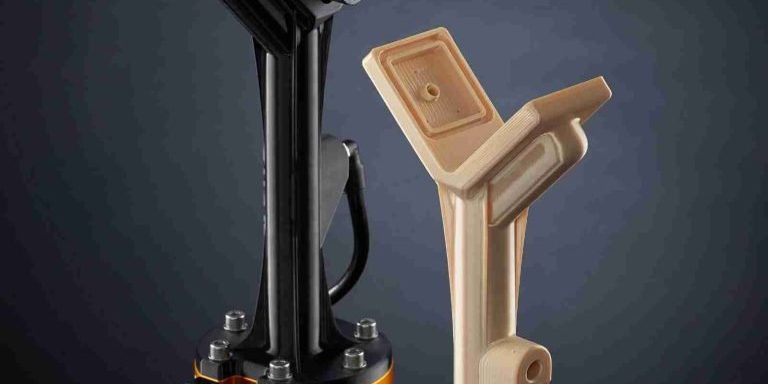
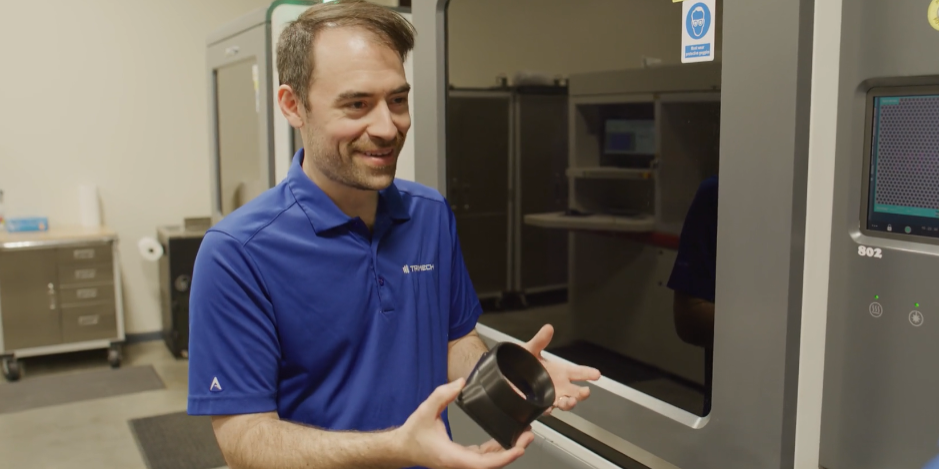
TriMech FDM 3D printing service is an alternative method for producing EOATs that can provide dramatic time and cost savings while optimizing performance.
Fused Deposition Modeling is an additive manufacturing (3D printing) process that builds plastic parts layer by layer using data from your 3D computer-aided design (CAD) files.
With 3D printing, EOATs can be customized and tailored to a specific application while often accelerating implementation on the production floor.
TriMech Service
We 3D print your End of Arm Tooling Parts
- 3D printing allows for a faster and less expensive EOAT to replace conventionally fabricated tools.
- End of Arm Tooling can be made with lightweight FDM plastic, which reduces the weight on robot arms.
Offerings
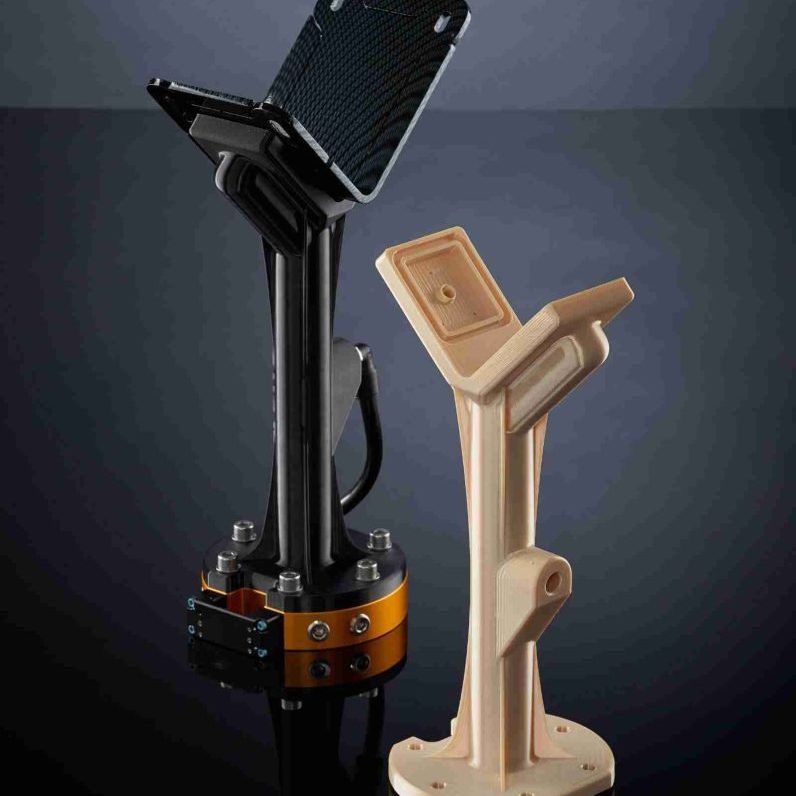
Improved fabrication of End of Arm Tools
FDM technology and materials make End of Arm Tools/EOATs that result in many performance advantages for robots.

Robot Performance Advantages
FDM EOATs are lighter than those made with metal, which means that robots can move faster or carry larger payloads.
Weight reduction also improves motor efficiency and reduces component wear, extending the time between preventive maintenance (PM) cycles. FDM technology easily makes hollow internal structures and the thermoplastic materials are lightweight, yet durable.
When combined, weight reductions of ninety percent or more are possible.
Plastic Advantages
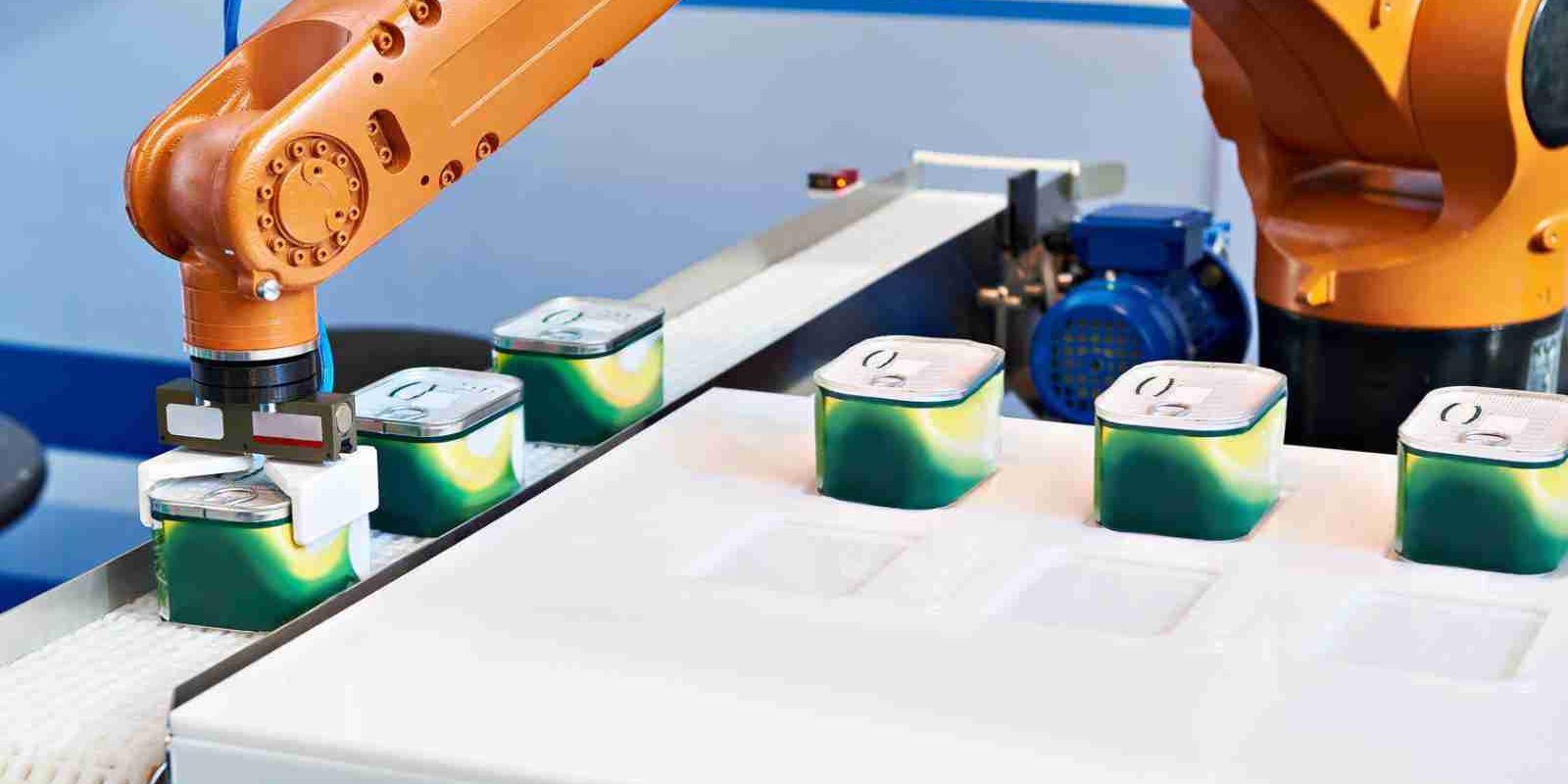
Plastics have two additional advantages: they won’t scratch the products they grip, and they dampen impact forces so that a tool crash is less likely to damage the robot.
An FDM EOAT can also have components like magnets and sensors embedded during the FDM build process. Fully encased, the components are protected and won’t mar the parts that come in contact with the EOAT.

Improved fabrication
FDM EOATs can be as simple or complex as needed, which gives designers the freedom to create tooling solely for its specific function.
For example, EOATs can have integrated vacuum channels, assemblies consolidated to a single part, or organic shapes that conform to the object being manipulated by the robot.
This design flexibility provides a unique opportunity to optimize robot performance and with FDM technology, design complexity doesn’t increase cost.

Custom design and creation of EOATs
A robot’s end of arm tooling (EOAT) is specific to the task it will perform, such as gripping, welding, painting or sensing. Although there are standard, off-the-shelf EOATs, robot integrators often need customized solutions to engage uniquely shaped parts, optimize operations and improve productivity. TriMech's 3D printing and design consulting team can help you to design and build custom EOATs.
Reduced time and cost
FDM Technology™ makes custom EOATs practical by avoiding the time and cost associated with traditional machining. EOATs can be produced quickly and affordably, from stable, durable, and lightweight thermoplastics. Custom EOATs can also be optimized with features like integrated vacuum channels, hollow interiors and organic shapes because FDM Technology eliminates the design constraints imposed by machining.
- Average lead time savings: 70% - 85%
- Average cost savings: 75% - 85%
- Greater performance:
- Lightweight/low mass
- Optimized design
- Impact dampening
- Non-marring
- Increased velocity
- Extended preventative maintenance cycles
- Greater design freedom:
- Internal vacuum channels
- Consolidated assemblies
- Complex geometry
- Integrated components
Easily make changes
FDM EOAT manufacturing is responsive, efficient and straightforward, turning EOAT design projects into simple tasks. If a design needs to change, TriMech can 3D print a new tool in as little as one day.
New or revised designs and replacement EOATs can be delivered and mounted on the robot quickly, regardless of complexity. During robot testing and validation, a quick response avoids delays in starting up a production line. Once 3D printed EOATs are operating in production, rapid revisions can keep the line running at peak performance.
Industries we work with
TriMech Advanced Manufacturing is used in a wide variety of industries
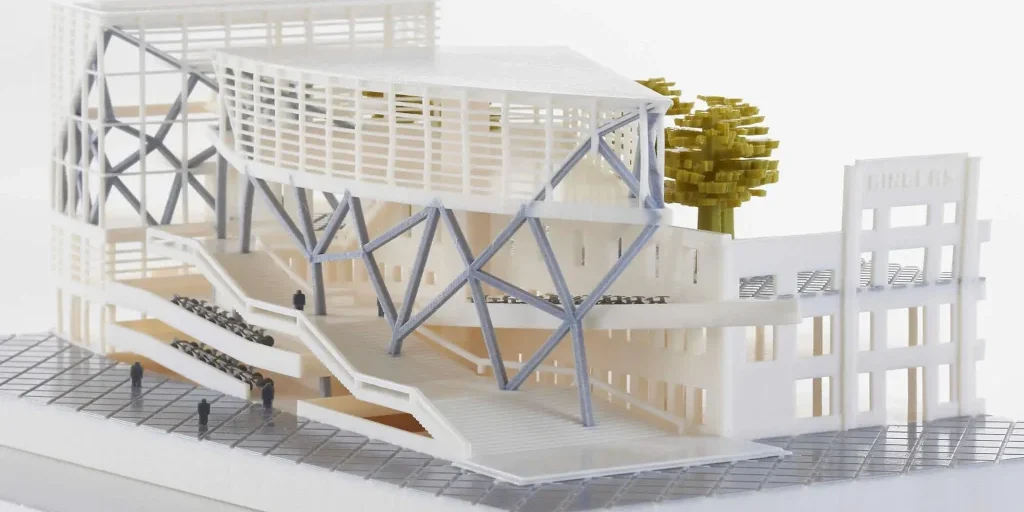
Architectural Design & Construction
- Model making
- Urban planning
- Concepts

High Tech & Consumer Products
- Aesthetic and function testing
- Concepts and prototypes
- Sales and marketing models
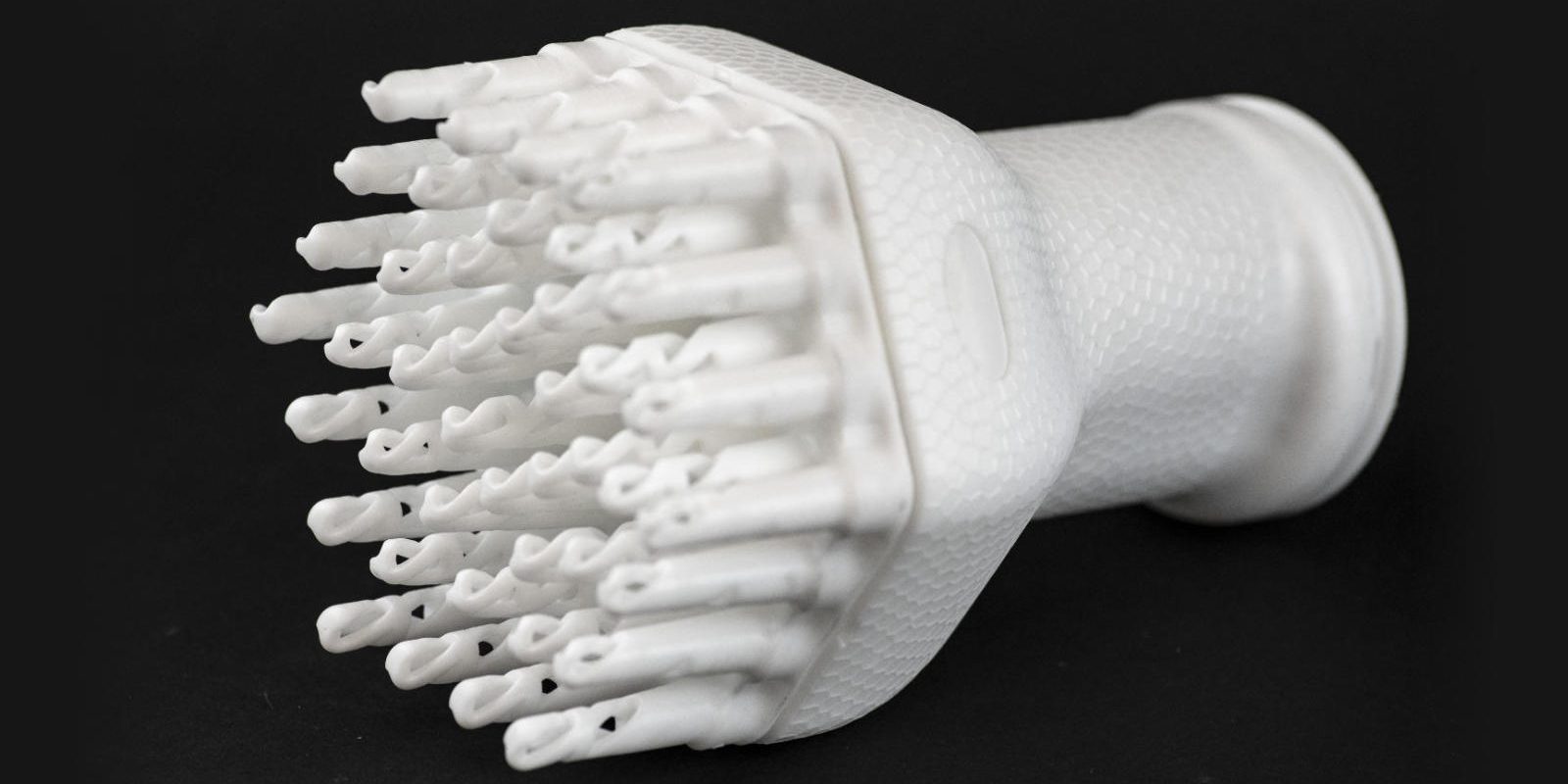
Dental, Medical & Life Sciences
- Anatomical models
- Medical devices
- Orthopedics
- Prosthetics
- Surgical planning models
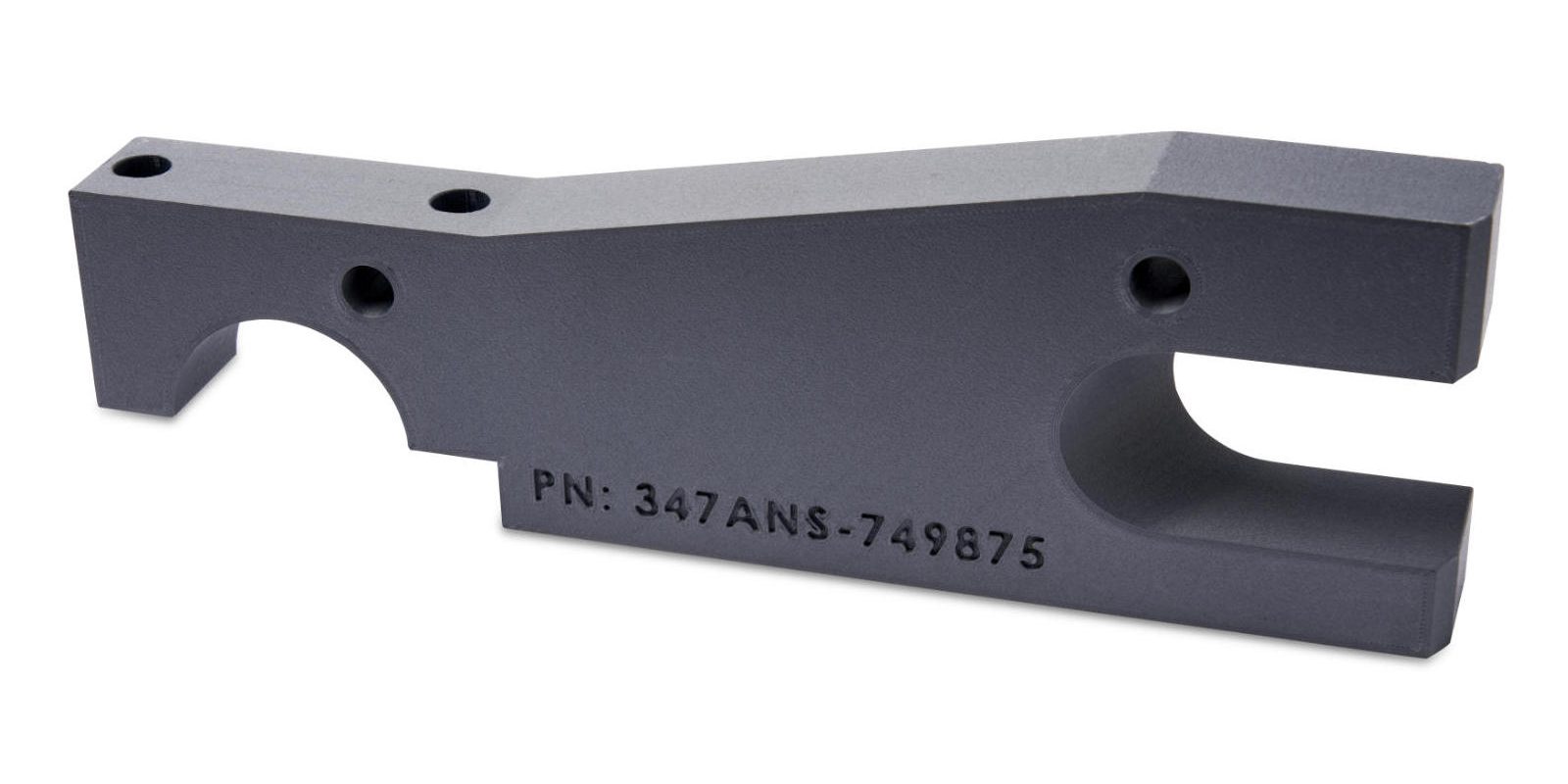
Industrial Products, Mold Tool & Die
- Jigs, fixtures, and assembly tooling
- Injection molding
- Silicone molding
- Sand and investment casting
- Thermoforming
More Applications
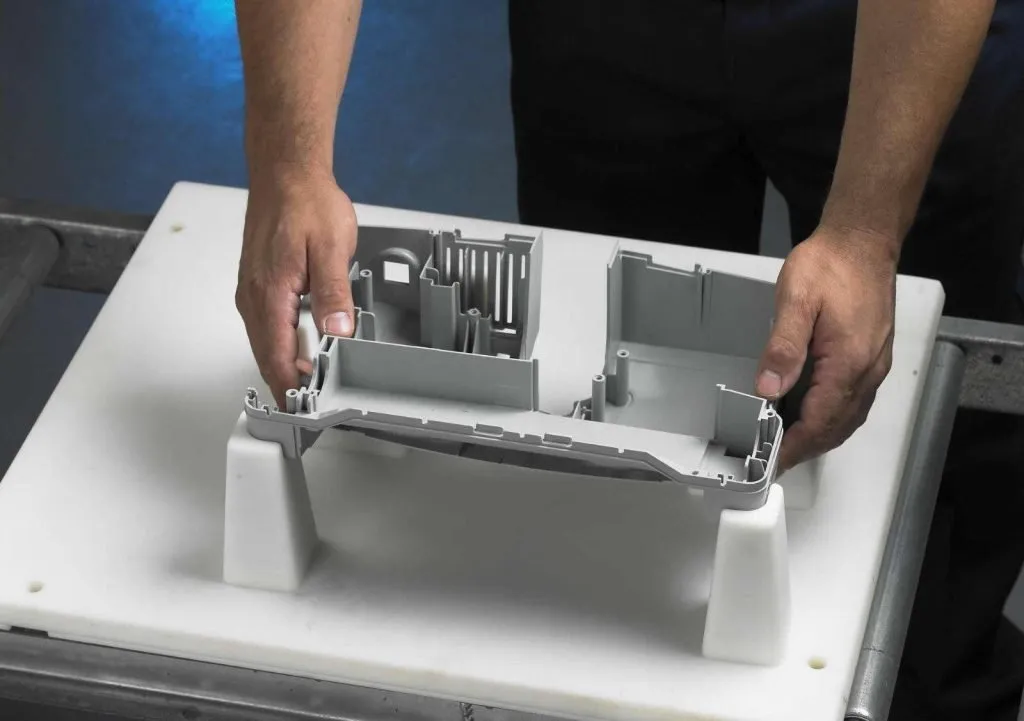
Jigs, Fixtures & Manufacturing Aids
TriMech 3D prints customized manufacturing aids, jigs and fixtures to ensure quality and worker safety resulting in greater productivity and better ergonomics.
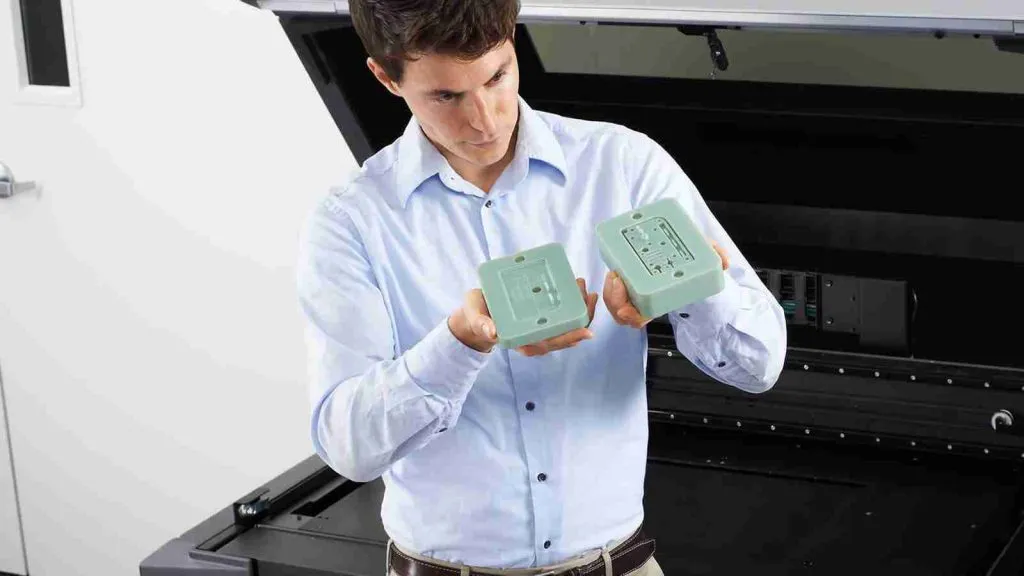
Production Molds
TriMech 3D Printing Production Mold Service can fabricate an injection, blow, or silicone mold within a few hours, compared to days with traditional methods.
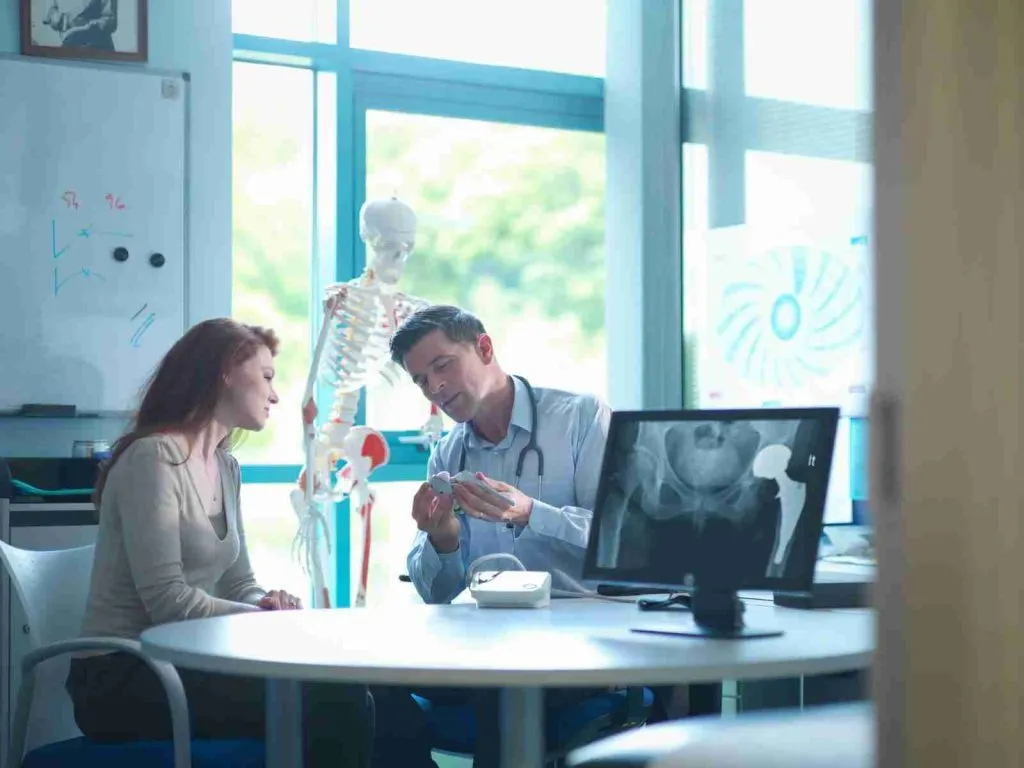
Anatomical & Medical Models
3D printed anatomical models are used for treatment and health care practices including practice dummies, educational aids and preoperative planning.