




Why Carbon Fiber 3D Printing?
Bikes, racecars, drones, and tennis rackets—products with varied uses that all require high strength and durability without added weight. This combination of properties is found in carbon fiber composite materials that are used everywhere from the chassis of Formula 1 racecars to the frame of lightweight road bicycles.
Production 3D printers are able to print with carbon fiber material for the production of strong, rigid parts like ABS-CF10 or Nylon 12CF, excellent performance in industrial environments, and streamlined workflows from design to production.
Carbon Fiber 3D Printing Uses
- Factory Floor: Lighter, stronger, ergonomic jigs, fixtures, and guides.
- Motorsports: High-performance, impact-resistant components like mirror housings for race cars (Team Penske).
- Prototyping: Functional prototypes that can withstand real-world stresses
Carbon Fiber Materials & Technology
- FDM Technology: Uses FDM (Fused Deposition Modeling) with composite-ready printers (like the Stratasys F123 CR series).
- Nylon-CF10: A blend of Nylon and 10% chopped carbon fiber, offering high strength and stiffness for tooling and strong prototypes.
- ABS-CF10: Combines ABS with 10% carbon fiber for rigid, strong factory floor tools and fixtures.
- Nylon 12 Carbon Fiber (Nylon 12-CF): A high-performance material (35% carbon fiber) with exceptional flexural strength, ideal for rigid tools, prototypes, and production parts
Carbon Fiber 3D Printers Overview
Carbon Fiber 3D Printers Capabilities & Features
Low-volume production of durable parts made from real thermoplastics or metal
Carbon Fiber 3D Printers
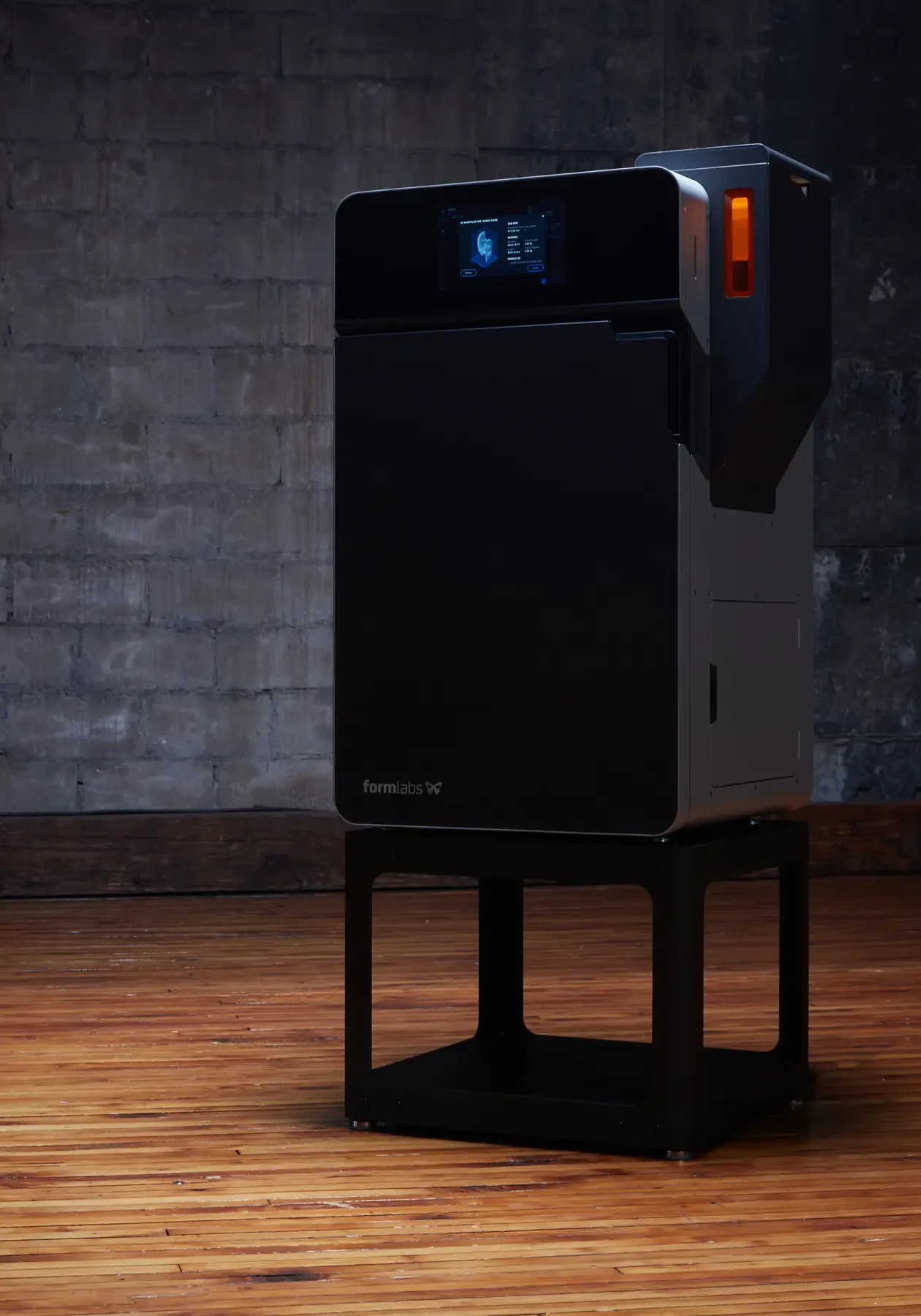
Professional production machines from Stratasys and Formlabs
Benefits of Carbon Fiber 3D Printers
Our Professional 3D printers make it simple for the carbon fiber part production
Short-run Carbon Fiber Production
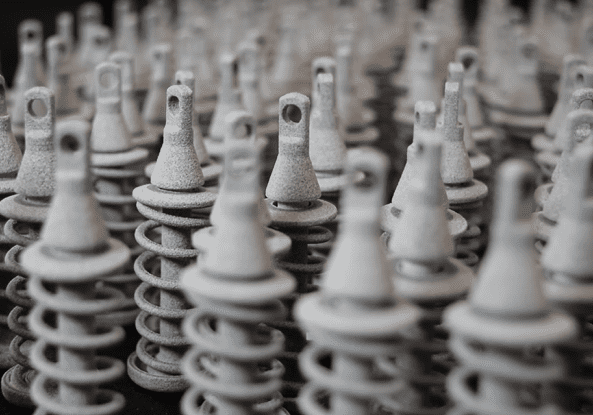
Whether you need capacity for large parts or the production of many smaller parts in one build.
The manufacturing-ready production 3D printers from Stratasys offers opportunity for increased productivity, time efficiency and cost savings compared with conventional production methods.
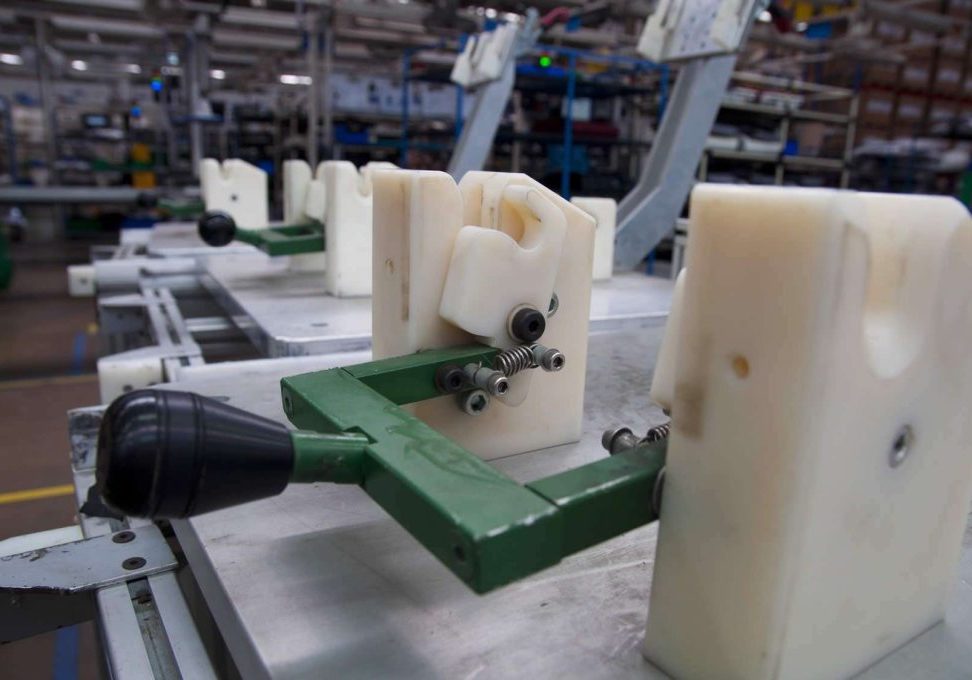
On-demand Tooling
Production 3D Printers are ideal for creating tooling, jigs and fixtures. Additive manufactured tooling can be created on-demand, in a fraction of the time it takes for machined tools. AM-fabricated tools are lighter and can easily incorporate ergonomic features that make them easier to transport and use compared with bulky metal tools.
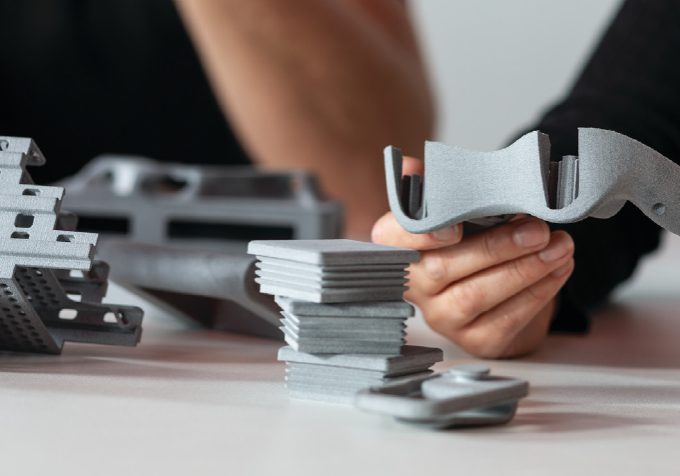
End-use Parts
With the incredible improvement of part accuracy, resolution, material strength and variety, and time efficiency, 3D printing for end-use parts is being utilized as the next great revolution in manufacturing.
Don't let your business fall behind the times, stay on top of the latest technology improvements and make sure your manufacturing process is running as efficiently as possible.
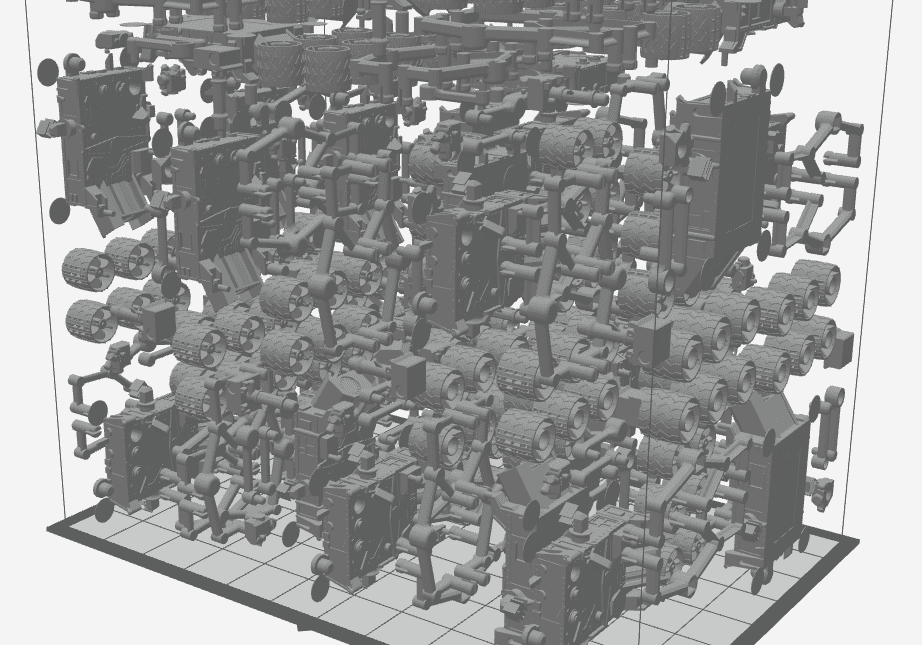
Reduce Costs
Product 3D printers allow factories to reduce their tooling footprint. Rather than storing physical tools, a digital inventory of tooling can be stored on servers and distributed to factory locations for printing as the tool is needed. This methodology can greatly reduce the lead times and shipping costs associated with central manufacturing of tooling.
Production Materials
3D print your parts from a variety of certified production materials
Example Printed Models
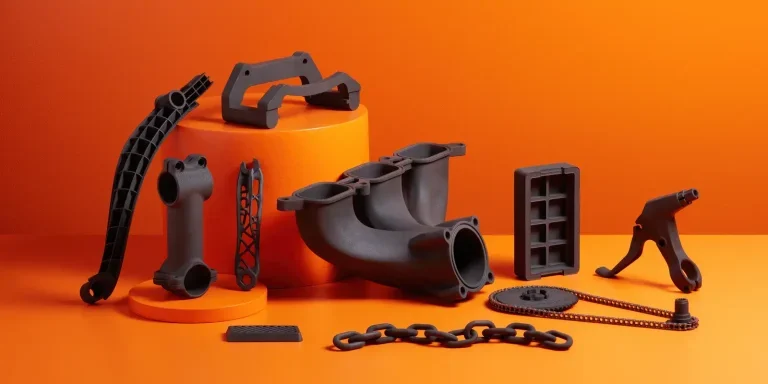
3D parts created with Carbon Fiber 3D Printers


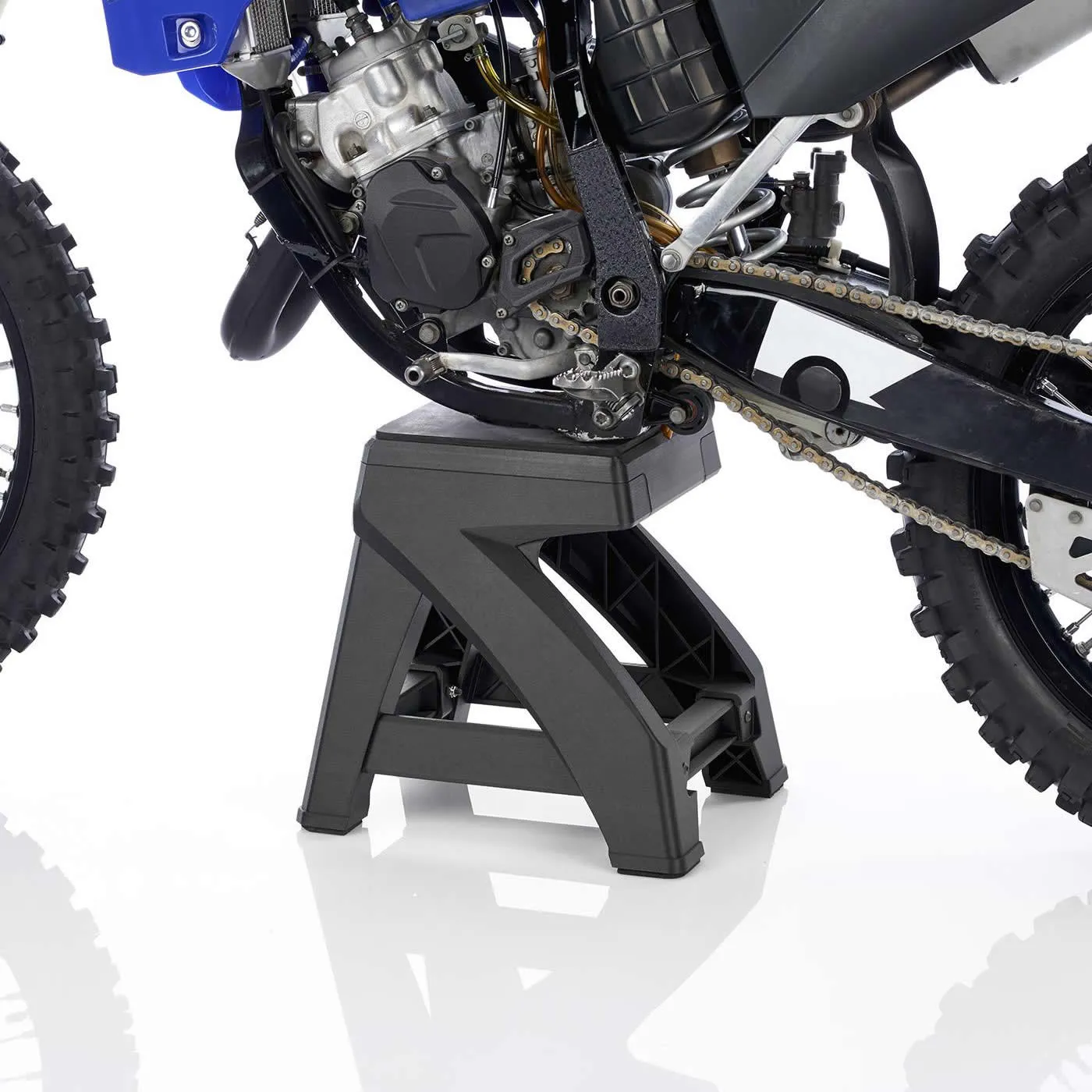


Carbon Fiber 3D Printers Resources
3D Printing with Carbon Fiber keeps unique vehicles ahead of competition
Stratasys Carbon Fiber Nylon Material is a Game Changer
Thule Embraces Carbon Fiber 3D Printing
Find the Perfect Material
We have a complete selection of high-quality materials, specifically chosen for your FDM 3D printer.