





Agilus30
PolyJet Rubber-like Material
Agilus 30™ is a superior Rubber-like material from the PolyJet™ photopolymer family ideal for advanced design verification and rapid prototyping.
Agilus30 is an advanced PolyJet material designed to create flexible parts. The parts Agilus30 produces are flexible, yet strong parts making a wide range of colors and Shore A values possible with its three colors – clear, black and white.
Get more durable, tear-resistant prototypes that can stand up to repeated flexing and bending. With a Shore A value of 30 in clear or black, Agilus 30 accurately simulates the look, feel and function of Rubber-like products.

Agilus30 Material Profile
Learn more about the benefits of rubber-like PolyJet 3D printed parts
Learn how Agilus 30 is the ideal material for rapid prototyping and design validation, this rubber-like material simulates the look, feel and function of rubber-like products.
PolyJet technology creates precise prototypes that set the standard for finished-product realism.

Main Uses
With Agilus 30 material you can 3D print rubber surrounds, overmolds, soft-touch coatings, living hinges, jigs and fixtures, wearables, grips and seals with improved surface texture.
Agilus30 Material Applications
Agilus30 Material Specification
Properties and testing results for the 3D printing material
| Mechanical Properties | Test Method | Value | |
|---|---|---|---|
| Black / Translucent | White | ||
| Tensile Strength | ASTM D-412 | 2.4 – 3.1 Mpa (348 – 450 psi) | 2.1-2.6 Mpa (305 – 377 psi) |
| Elongation at Break | ASTM D-412 | 220 – 270% | 185 – 230% |
| Compressive Set | ASTM D-395 | 6 – 7 | 7 – 7 |
| Tensile Tear Resistance | ASTM D-624 | 4 – 7 Kg/cm (22 – 39 lb/in) | 4 – 7 Kg/cm (22 – 39 lb/in) |
| Mechanical Properties | Test Method | Value | |
|---|---|---|---|
| Black / Translucent | White | ||
| Tensile Strength | ASTM D-412 | 2.4 – 3.1 Mpa (348 – 450 psi) | 2.1-2.6 Mpa (305 – 377 psi) |
| Elongation at Break | ASTM D-412 | 220 – 270% | 185 – 230% |
| Compressive Set | ASTM D-395 | 6 – 7 | 7 – 7 |
| Tensile Tear Resistance | ASTM D-624 | 4 – 7 Kg/cm (22 – 39 lb/in) | 4 – 7 Kg/cm (22 – 39 lb/in) |
Advantages of PolyJet Technology
Advantages of parts built with a Stratasys PolyJet Machine
Realistic Parts
Stratasys PolyJet 3D Printers are based on proven technology, which creates precise prototypes that set the standard for finished-product realism.
Their fine resolution makes complex shapes, intricate details and smooth surfaces possible.
Precise Models
PolyJet 3D Printing works by jetting layers of liquid photopolymer onto a build tray and instantly curing them with UV light.
The fine layers build up to create a precise 3D model or prototype. Models are ready to handle right out of the 3D printer, with no post-curing needed.
Better ideas, easier sell
PolyJet 3D printed models improve communication and collaboration because they produce amazingly accurate representations of your ideas that you can share with your team and your clients for a faster, more confident buy-in.
Industries we work with
TriMech Advanced Manufacturing is used in a wide variety of industries
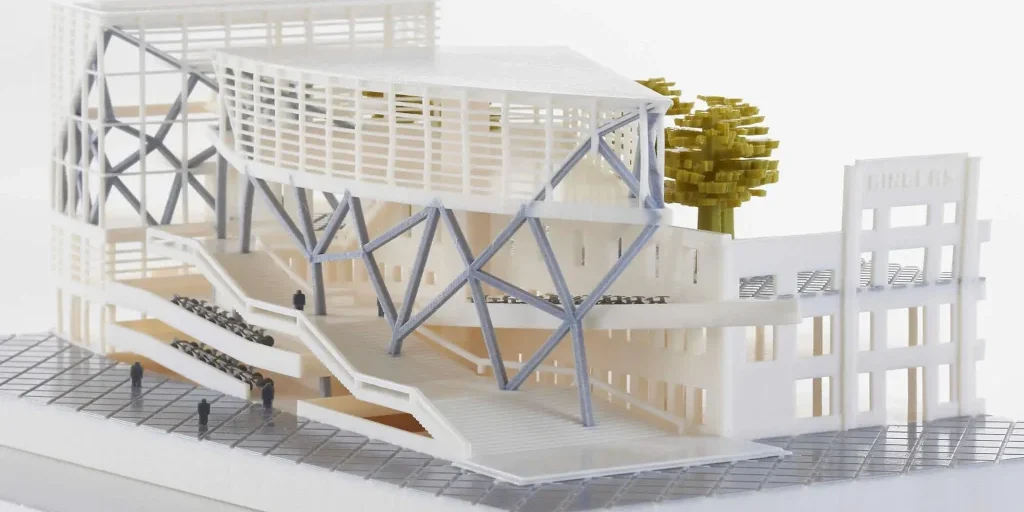
Architectural Design & Construction
- Model making
- Urban planning
- Concepts

High Tech & Consumer Products
- Aesthetic and function testing
- Concepts and prototypes
- Sales and marketing models
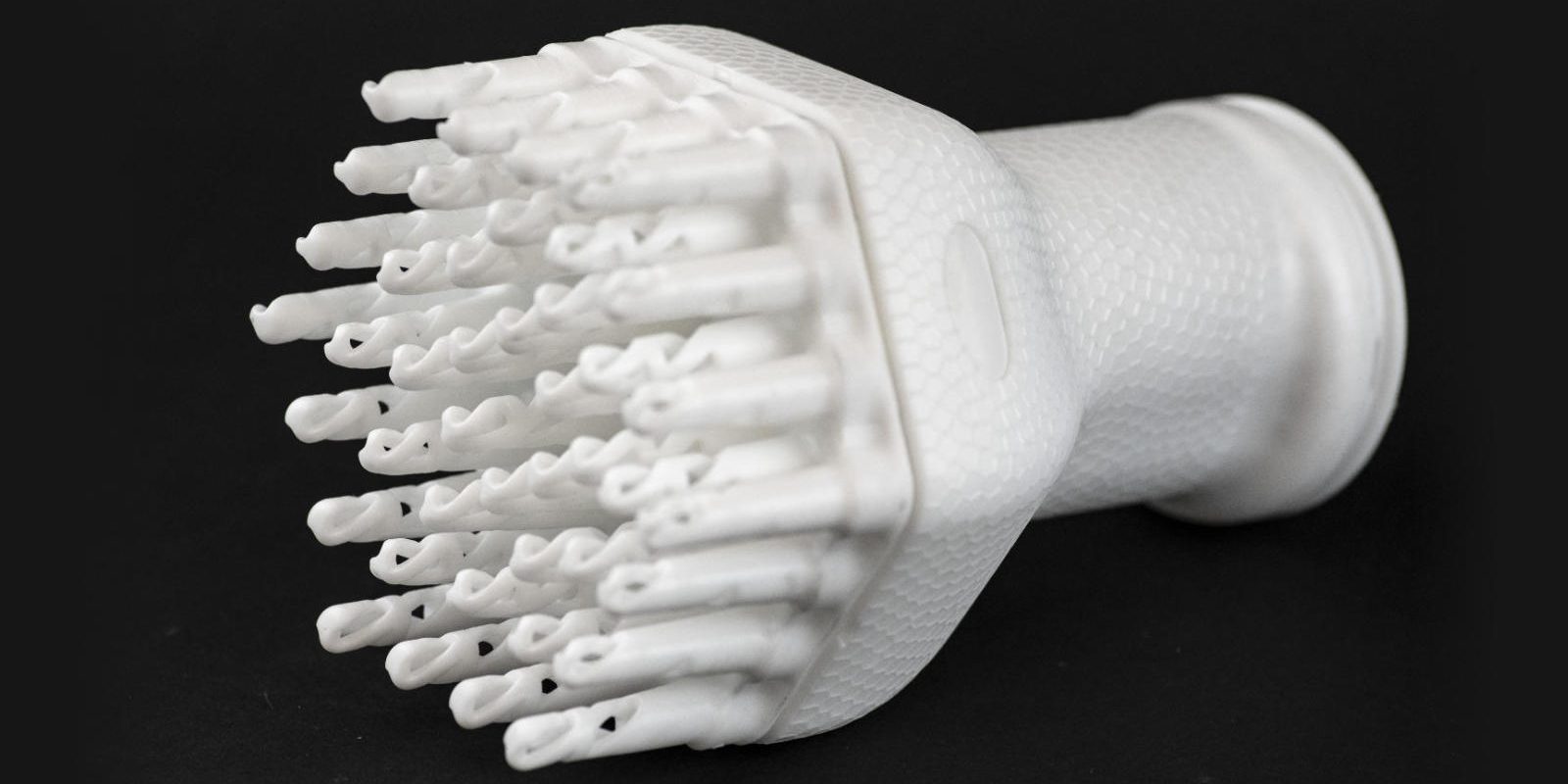
Dental, Medical & Life Sciences
- Anatomical models
- Medical devices
- Orthopedics
- Prosthetics
- Surgical planning models
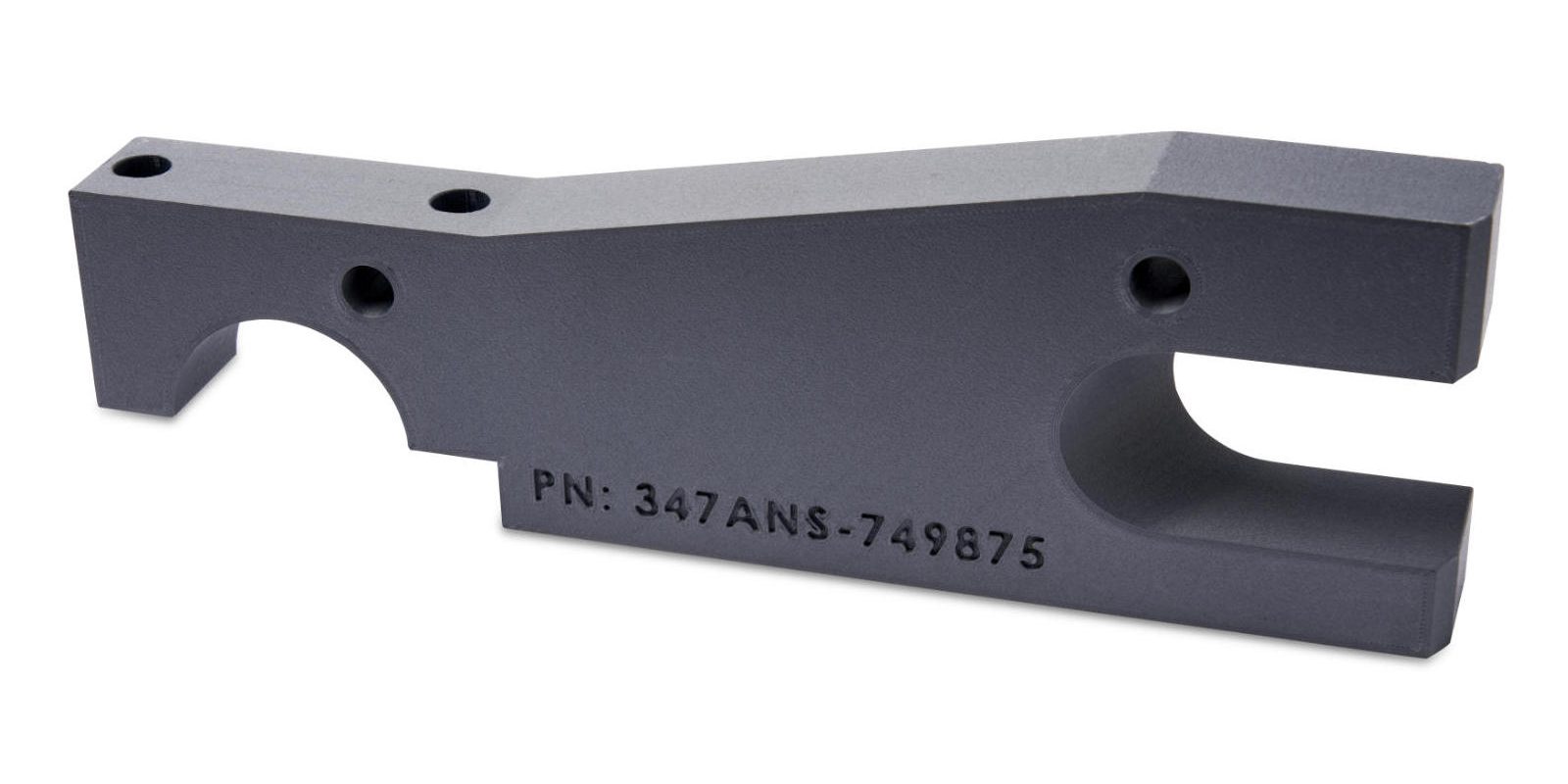
Industrial Products, Mold Tool & Die
- Jigs, fixtures, and assembly tooling
- Injection molding
- Silicone molding
- Sand and investment casting
- Thermoforming
More Materials
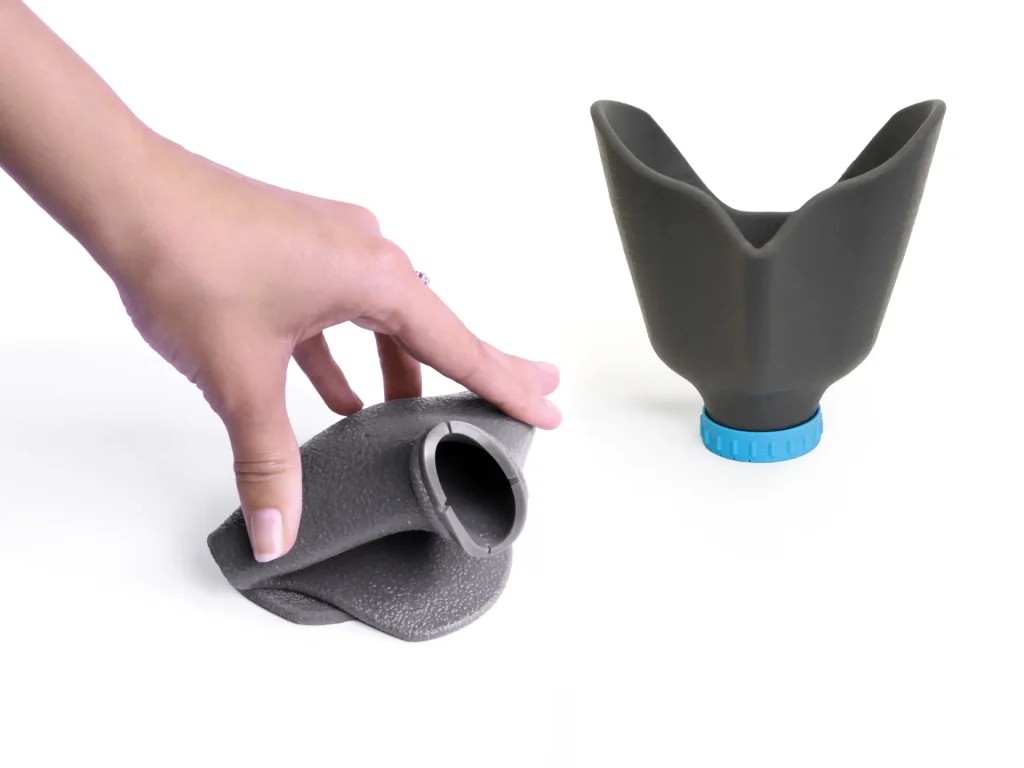
Stratasys P3 Silicone 25A
Stratasys P3 Silicone 25A is a soft, flexible, and durable elastomer that features unique properties versus traditional polymers thanks to its distinct silicone-oxygen backbone.
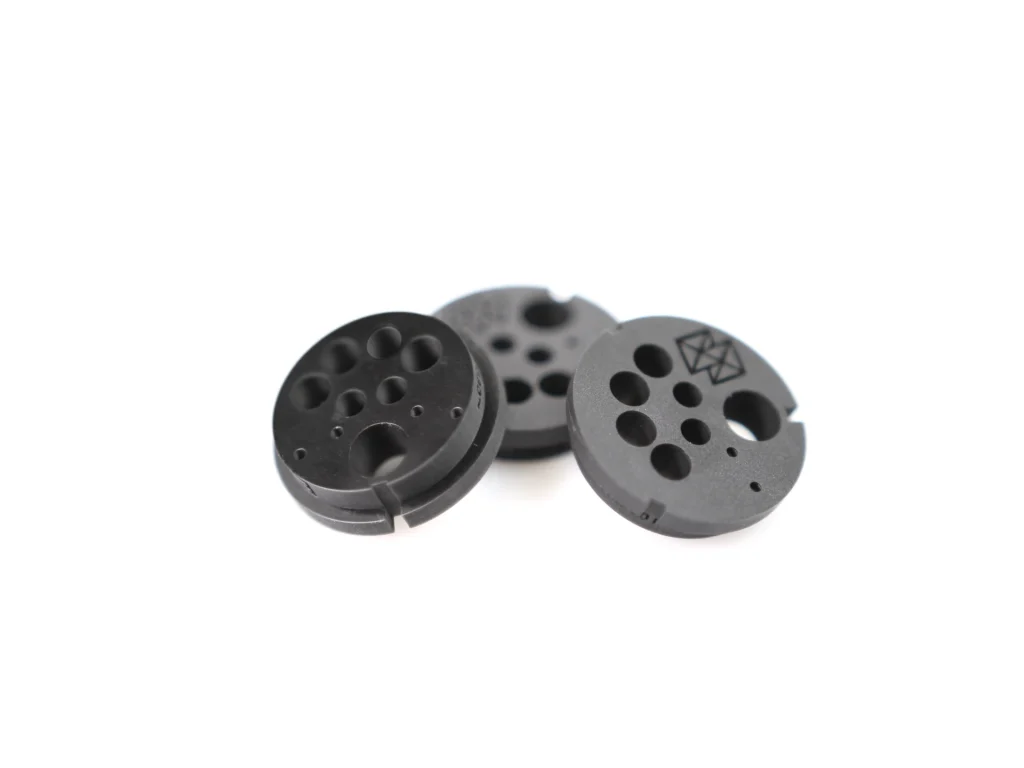
Loctite 3D IND3380 ESD
LOCTITE 3D IND3380 ESD is a high-temperature, electrostatic dissipative resin ideal for jigs, fixtures, and electronic manufacturing. Offers 190°C HDT, high stiffness, and chemical resistance.
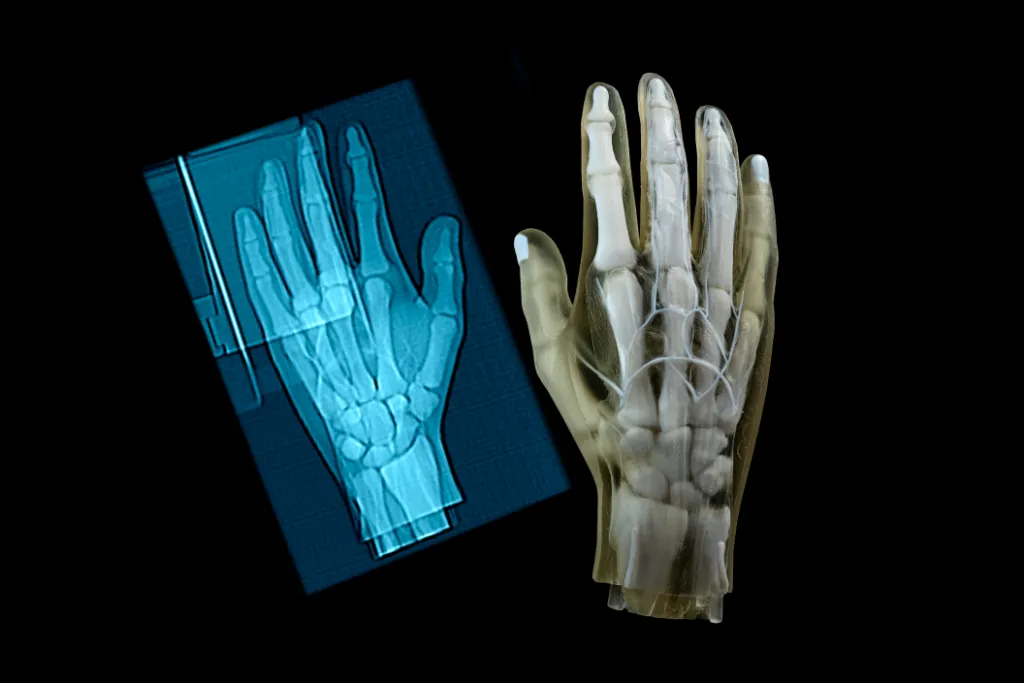
RadioMatrix
RadioMatrix is a 3D printing material designed to replicate radiopacity under X-ray and CT imaging.