





Bio-compatible (MED625FLX)
PolyJet Transparent Material
MED625FLX™ is a transparent, flexible, biocompatible PolyJet™ material certified for bodily contact.
The material is designed for dental applications and is approved for permanent skin contact (greater than 30 days) and limited mucosal membrane contact ( up to 24 hours). Typical dental applications include indirect bonding trays and gingiva masks.

Bio-compatible (MED625FLX) Material Profile
Learn more about the benefits of rubber-like PolyJet 3D printed parts
See how Stratasys is empowering doctors, researchers and medical manufacturers to get products into clinical use faster, develop better therapies and to personalize care better than ever before with 3D printing solutions.
Watch the video to learn about the different applications for 3D printers in the medical industry.
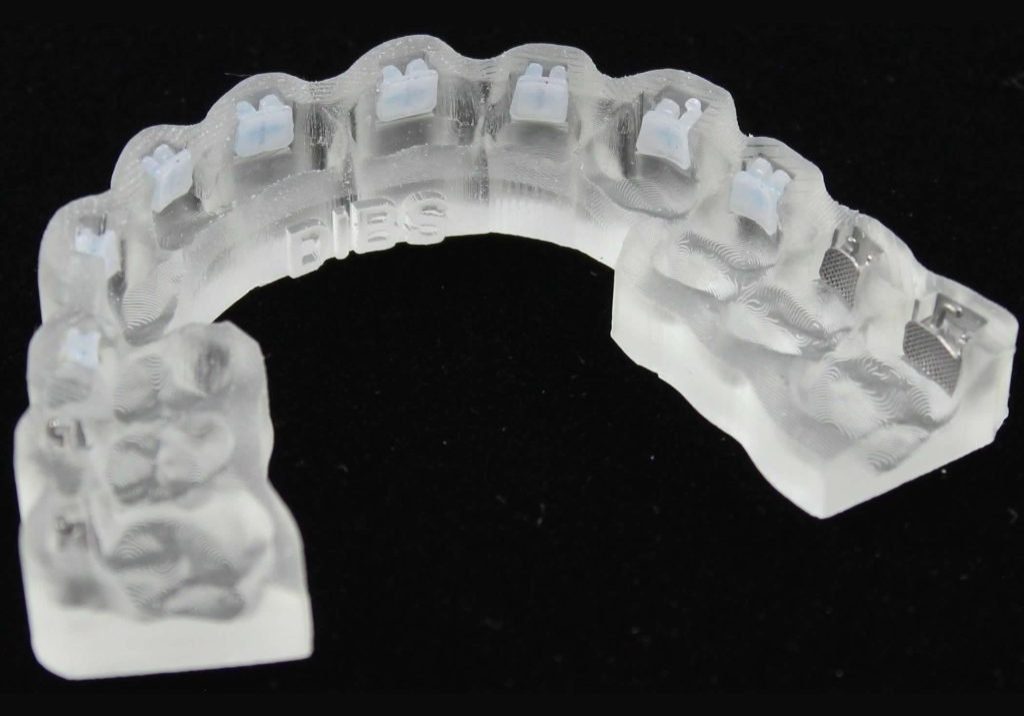
Main Uses
Bio-compatible MED625FLX, MED610 and MED620 are ideal for medical and dental applications requiring precise visualization and patient contact. The materials are suitable for over 30 days skin contact and up to 24 hours mucosal membrane contact.
Bio-compatible (MED625FLX) Material Applications
Bio-compatible (MED625FLX) Material Specification
Properties and testing results for the 3D printing material
| Test | Standard |
|---|---|
| Cytotoxicity | EN ISO 10993-5:2009 |
| Irritation | EN ISO 10993-10:2013 |
| Delayed-type hypersensitivity | EN ISO 10993-10:2013 |
| Genotoxicity | EN ISO 10993-3:2014 |
| Chemical characterization | EN ISO 10993-18:2009 |
| USP Plastic Class VI | USP 34 <88> |
| Property | Standard / Procedure | Value |
|---|---|---|
| Tensile Strength | D-412 | 435 – 725 psi (3 –5 MPa) |
| Elongation at Break | D-412 | 45 – 55% |
| Compressive Set | D-395 | 0.5 – 1.5% |
| Shore Hardness (A) | D-2240 | 73 – 77 Scale A |
| Tensile Tear Resistance | D-624 | 8 – 12 Kg/cm (50 – 60 lb/in) |
| Polymerized Density | D-792 | 1.16 – 1.17 g/cm3 |
Advantages of PolyJet Technology
Advantages of parts built with a Stratasys PolyJet Machine
Realistic Parts
Stratasys PolyJet 3D Printers are based on proven technology, which creates precise prototypes that set the standard for finished-product realism.
Their fine resolution makes complex shapes, intricate details and smooth surfaces possible.
Precise Models
PolyJet 3D Printing works by jetting layers of liquid photopolymer onto a build tray and instantly curing them with UV light.
The fine layers build up to create a precise 3D model or prototype. Models are ready to handle right out of the 3D printer, with no post-curing needed.
Better ideas, easier sell
PolyJet 3D printed models improve communication and collaboration because they produce amazingly accurate representations of your ideas that you can share with your team and your clients for a faster, more confident buy-in.
Industries we work with
TriMech Advanced Manufacturing is used in a wide variety of industries
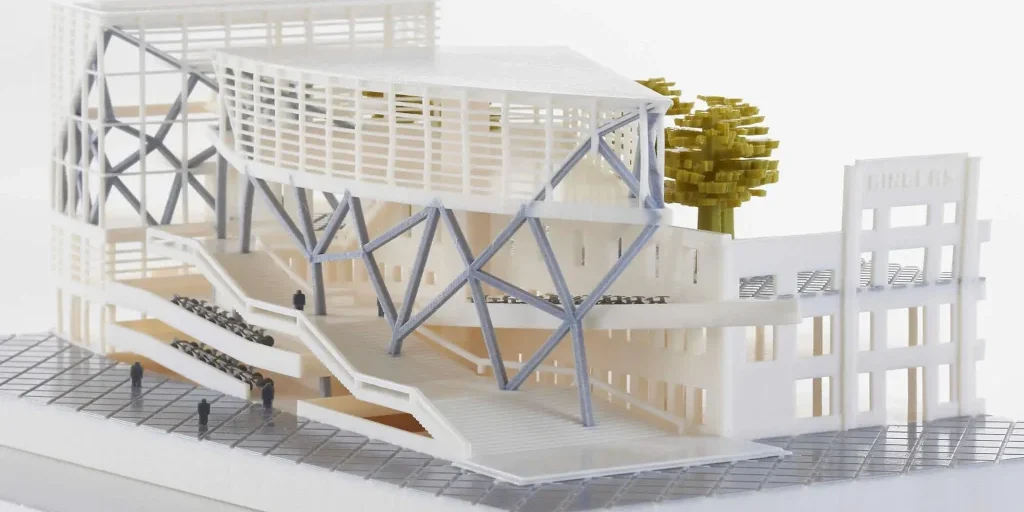
Architectural Design & Construction
- Model making
- Urban planning
- Concepts

High Tech & Consumer Products
- Aesthetic and function testing
- Concepts and prototypes
- Sales and marketing models
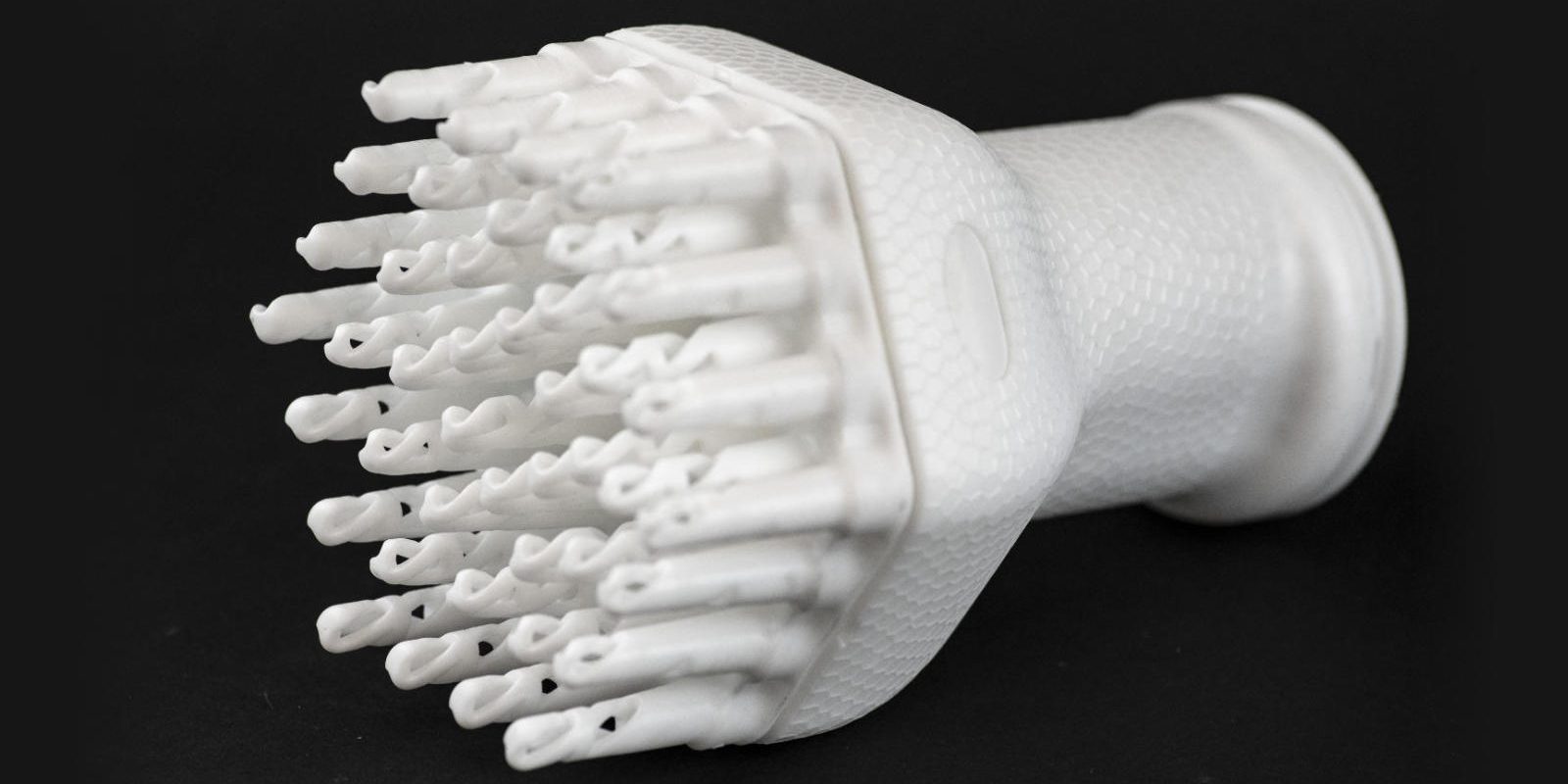
Dental, Medical & Life Sciences
- Anatomical models
- Medical devices
- Orthopedics
- Prosthetics
- Surgical planning models
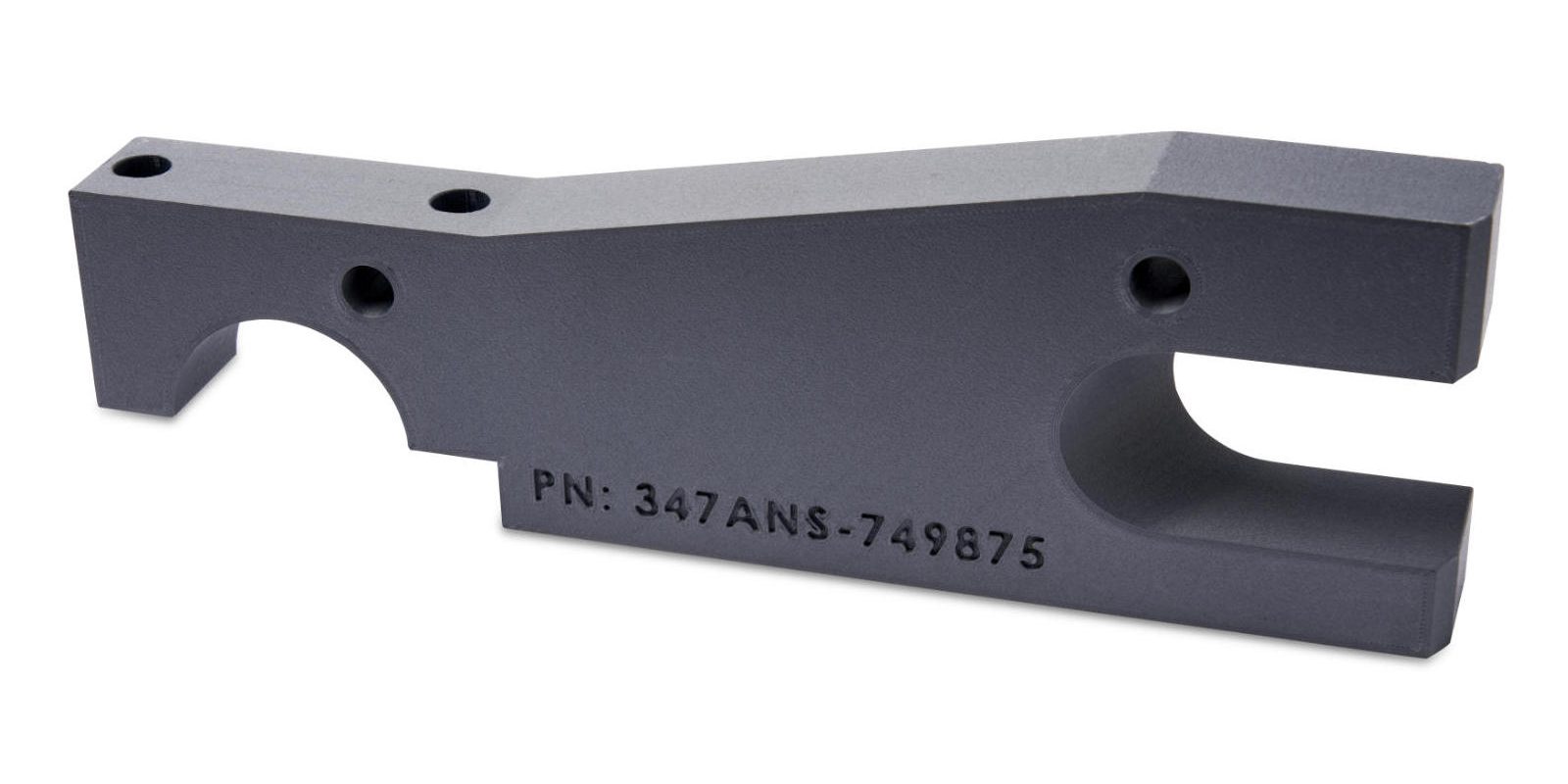
Industrial Products, Mold Tool & Die
- Jigs, fixtures, and assembly tooling
- Injection molding
- Silicone molding
- Sand and investment casting
- Thermoforming
More Materials
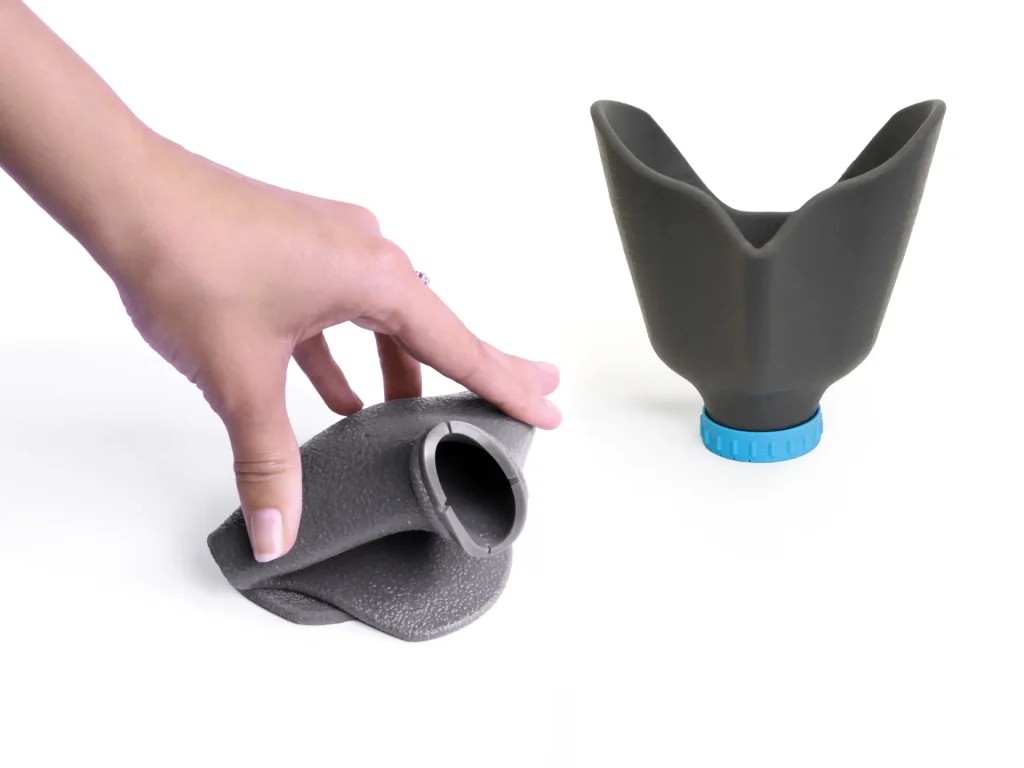
Stratasys P3 Silicone 25A
Stratasys P3 Silicone 25A is a soft, flexible, and durable elastomer that features unique properties versus traditional polymers thanks to its distinct silicone-oxygen backbone.
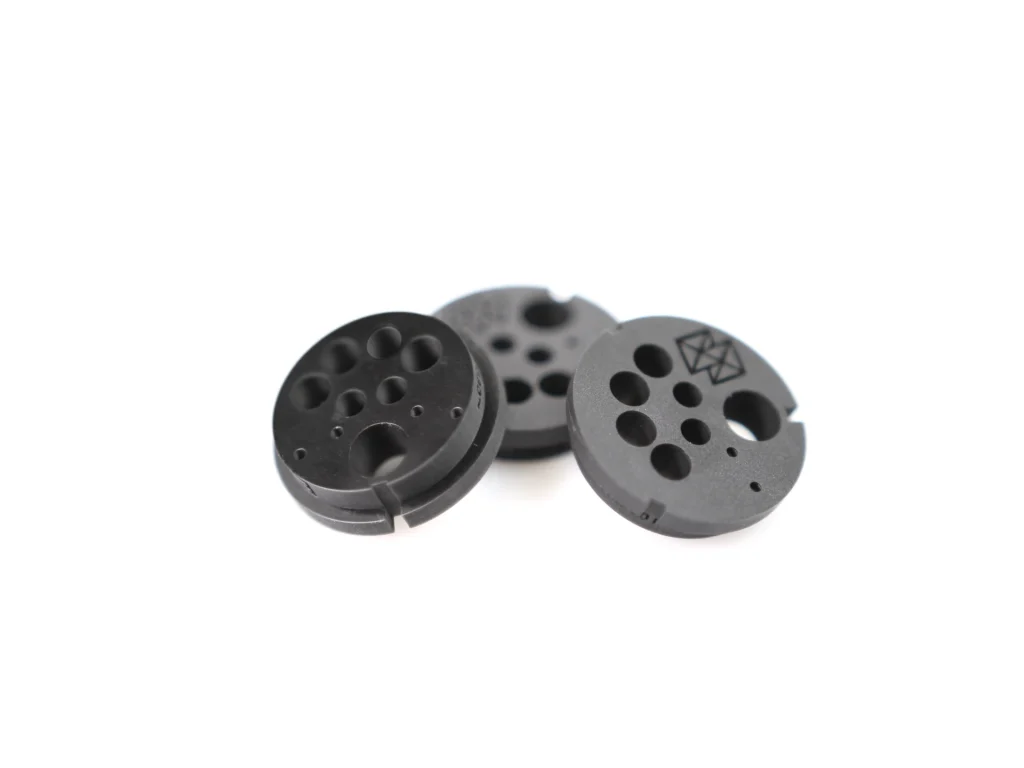
Loctite 3D IND3380 ESD
LOCTITE 3D IND3380 ESD is a high-temperature, electrostatic dissipative resin ideal for jigs, fixtures, and electronic manufacturing. Offers 190°C HDT, high stiffness, and chemical resistance.
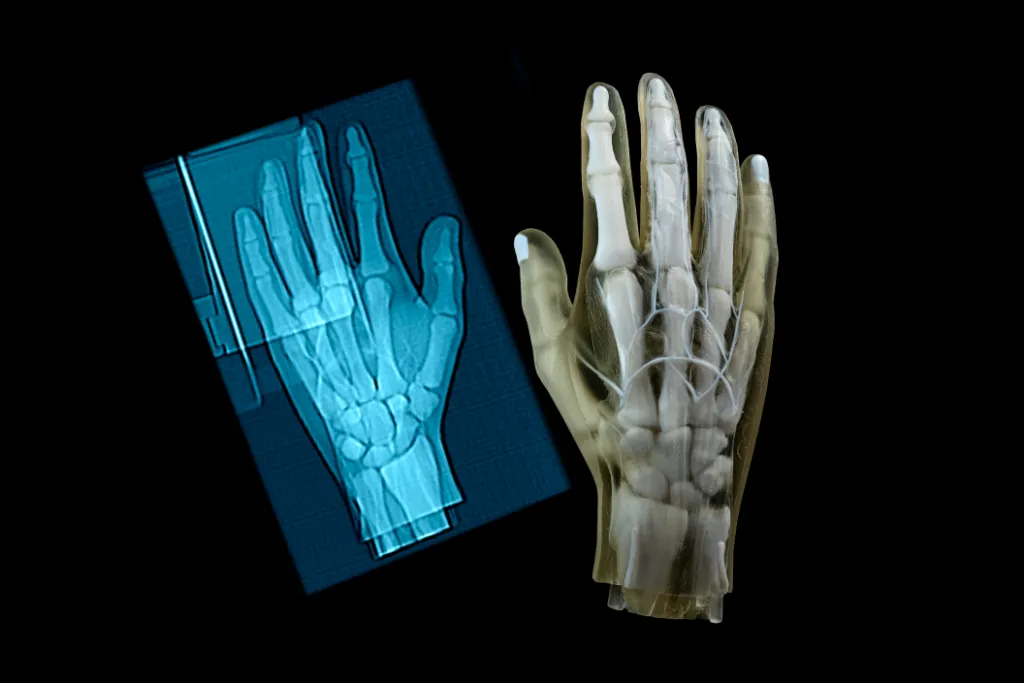
RadioMatrix
RadioMatrix is a 3D printing material designed to replicate radiopacity under X-ray and CT imaging.