




 By
By Due to its balance of strength and flexibility, processability and affordability, Acrylonitrile Butadiene Styrene (ABS) material is among the most widely used polymer for a large list of uses including injection molding, 3D printing, machining, and much more. The vivid colors and glossy finish also enable it to be popular across industries like consumer goods and automotive, with applications from household objects and toys to mechanical components.
In this guide, we will discuss ABS pros and cons, applications, compare it with other popular materials, and offer tips for 3D printing tips with this material.
What is ABS Material?
Acrylonitrile Butadiene Styrene (ABS) is a polymer made from three monomers: acrylonitrile, butadiene, and styrene. As a terpolymer, meaning it consists of three components, ABS can exhibit a variety of properties depending on the proportion of the three components in the mix.
- Acrylonitrile is a synthetic monomer used in thermoplastics that provides chemical and thermal stability of ABS. It also contributes to the rigidity and structure of ABS, though a higher acrylonitrile percentage usually means less elasticity.
- Butadiene is used as a constituent in many thermoplastics to impart that rubbery type of property to a material. This component in ABS material delivers impact strength and reduces brittleness. Materials with higher butadiene content are usually softer and more flexible.
- Styrene as opposed to butadiene; imparts a very stiff, rigid behavior to the plastic. It also allows the plastic to have a glossy outer surface so that when colors are added, the colors have a very vivid expression in the material. Higher styrene content enhances rigidity but reduces heat resistance.

Architectural Model using ABS Material
When the three monomers are held together through a process called emulsification, ABS becomes a cohesive single product that is tough, durable, and processable.
Pros and Cons of ABS Material
Pros of ABS:
- Strong mechanical strength: ABS is hard and tough with high impact strength. Its durability ensures it can withstand heavy use and endure major impacts without damage.
- Moderate thermal stability: ABS maintains its strength and performance over a wide temperature range, generally between -20°C to 80°C (-4°F to 176°F). For higher temperature applications, ABS may not be the best choice, as it can become less rigid, more prone to warping, and lose strength.
- Moderate chemical resistance: ABS is resistant to oils and grease. It does not corrode like metals and can provide protection against breakdown due to environmental factors.
- Lightweight: ABS is ideal for applications where weight is a critical factor, such as in automotive, consumer electronics, and industrial equipment.
- Great surface finish: ABS can be easily molded, sanded, and shaped. Its glossy surface finish is compatible with a wide range of paints and adhesives, capable of meeting specific design requirements.
- Good electrical insulation: ABS also possesses good electrical insulating properties, making it suitable for use in components where protection against electrical conductivity is necessary.
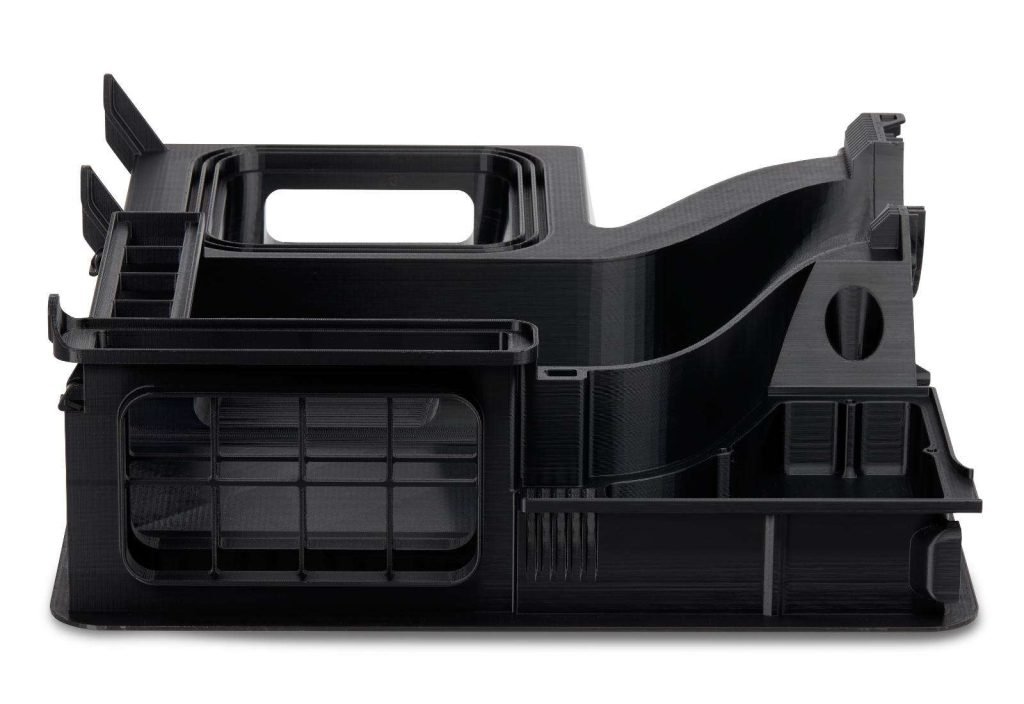
3D printed component using ABS Material
Cons of ABS:
- UV degradation: ABS can degrade and become brittle over time when exposed to sunlight. This limits its use for outdoor applications unless it is treated or coated to protect it from UV damage.
- Limited heat resistance: While ABS has moderate heat resistance, it can begin to soften at temperatures above around 100°C (212°F). This makes it unsuitable for components near heat sources.
- Limited solvent resistance: ABS is susceptible to damage from Acrylic-based solvents, alcohols and ketones, and strong acids and bases.
- Not biodegradable: Like many other plastics, ABS is not biodegradable, making it less environmentally friendly compared to materials like PLA.
- Dimensional instability: ABS may change size with temperature, so it’s challenging to maintain precise measurements where the temperature fluctuates.
Applications of ABS Material
Common injection molding and extrusion applications for ABS cover several areas:
- Toys: LEGO bricks as it is colorful and durable.
- Consumer appliances: a plastic encased device such as remote control, keyboard, mouse, or vacuum cleaner due to its electrical insulation properties.
- Automotive parts: dashboard and mirror housings with protective coatings.
- Construction: hard hats, plastic sheets, and tubing for its impact resistance and strength.
- Medical devices: equipment casings and disposable syringes as it is chemical resistant and easy to sterilize.
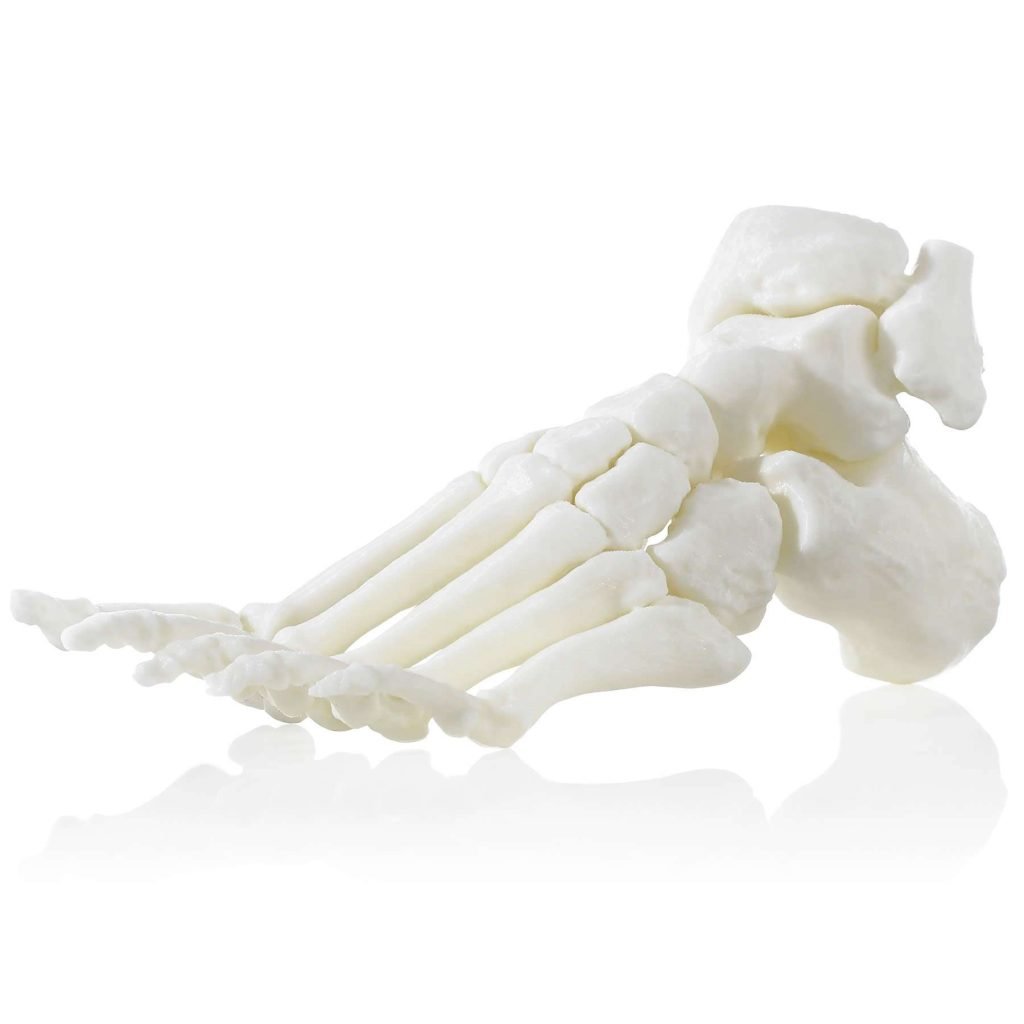
ABS 3D printed foot
ABS Material in 3D Printing
Why is ABS a popular choice in 3D printing?
ABS has a relatively low melting temperature compared to other plastics, making it suitable for 3D printing, especially in Fused Deposition Modeling (FDM). This allows it to be easily processed by a 3D printer.
As an amorphous material, ABS lacks a sharp, defined melting point. Instead, it softens gradually over a range of temperatures. This characteristic gives ABS a wider temperature window for processing and printing, which is useful in 3D printing since it ensures smoother extrusion and reduces the risk of uneven flow during the printing process.
Key Advantages of ABS in 3D printing
The aforementioned properties of ABS make it popular choice for different applications of 3D printing:
- Its durability and strength make it an ideal material for creating functional prototypes or end-use parts that need to withstand wear and tear, shocks and stress.
- ABS offers moderate heat resistance compared to many other popular 3D printing materials such as PLA, making it suitable for parts that will be exposed to moderate heat or used in automotive, electrical, or mechanical applications.
- ABS is widely available in various colors with affordability and processability, making it a go-to choice for prototyping and small-scale production.
- ABS is easy to sand, glue, paint, and finish, allowing for glossy and smooth surface for aesthetic or functional parts that require a clean finish.
Challenges for 3D printing with ABS
While we don’t have to worry about these common issues with ABS on Stratasys FDM printers, most hobbyist 3d printers often run into problems with:
- Warping and shrinkage: ABS is prone to warping during cooling, which can cause parts to lift off the print bed and distort. This is especially true for larger prints or prints with long horizontal spans. Shrinkage occurs when ABS cools and contracts, leading to dimensional inaccuracies.
- Adhesion Issues: Getting ABS to adhere properly to the print bed can be tricky, especially during the initial layers. Poor adhesion can lead to warping or failure of the print.
- Fumes: ABS releases fumes such as styrene when heated, which can be potentially harmful to health in poorly ventilated areas.
- Temperature Sensitivity: ABS requires a high extrusion temperature (around 220-250°C) and a heated bed (typically 90-110°C) compared to other materials like PLA.
Common ways to improve printing with ABS
These are some common things you can try in order to improve print quality. This will vary from printer to printer, and you will need to consult with that printer manufacturer and/or slicing software to make some of these changes.
- Use an enclosed print chamber and maintain a heated bed temperature of 90-110°C to reduce warping and improve adhesion. A heated bed keeps the bottom layers of the print warm, preventing them from cooling too quickly, which leads to warping.
- Use adhesion aids like glue sticks, painter’s tape, or ABS slurry (a mix of ABS dissolved in acetone) can help improve adhesion to the print bed.
- Use a raft (a thick base layer) or brim (additional material around the base) if warping is a concern in the slicing software to improve bed adhesion and reduce the risk of the print lifting off the bed.
- Keep the extruder temperature around 220-250°C.
- Reduce print speeds (around 40-60 mm/s) to ensure better layer bonding and minimize stress on the material.
- Use minimal cooling or no cooling fan during printing, especially for the first few layers, as rapid cooling can lead to warping or poor layer adhesion.
- Ventilate the workspace: Use a fume extractor or a printer with an enclosed chamber and ventilation system to keep the air clean.
The easiest way to overcome these issues, though, is to invest in a professional 3D Printer. Stratasys and Formlabs 3D printers are designed to ensure optimal part quality without having to tinker to get it to work, ensuring the best prints every time. To learn more, check out our article on professional vs hobby 3D printers.
Specialty ABS in 3D printing
ABS material has been used primarily to create durable parts and prototypes. Specialty ABS material takes prototypes to a whole new level by making them functional. The increased strength, transparency and ability to be bio-compatible set these specialty ABS materials apart and allow prints to be closer to the final product. They are changing the game for many industries.
ABS-ESD7™
Acrylonitrile Butadiene Styrene-Electrostatic Dissipative is an ABS thermoplastic that has static dissipative properties that are made for preventing static in products that could be impaired or explode. This property also prevents dust from being attracted to electronics which is ideal for circuit boards. ABS-ESD7 is a production-grade thermoplastic and is mainly used for jigs and fixtures in assembling electronic components.
Read our blog 3D Printing Spotlight: ABS-ESD7 Material for a deeper dive on the material.
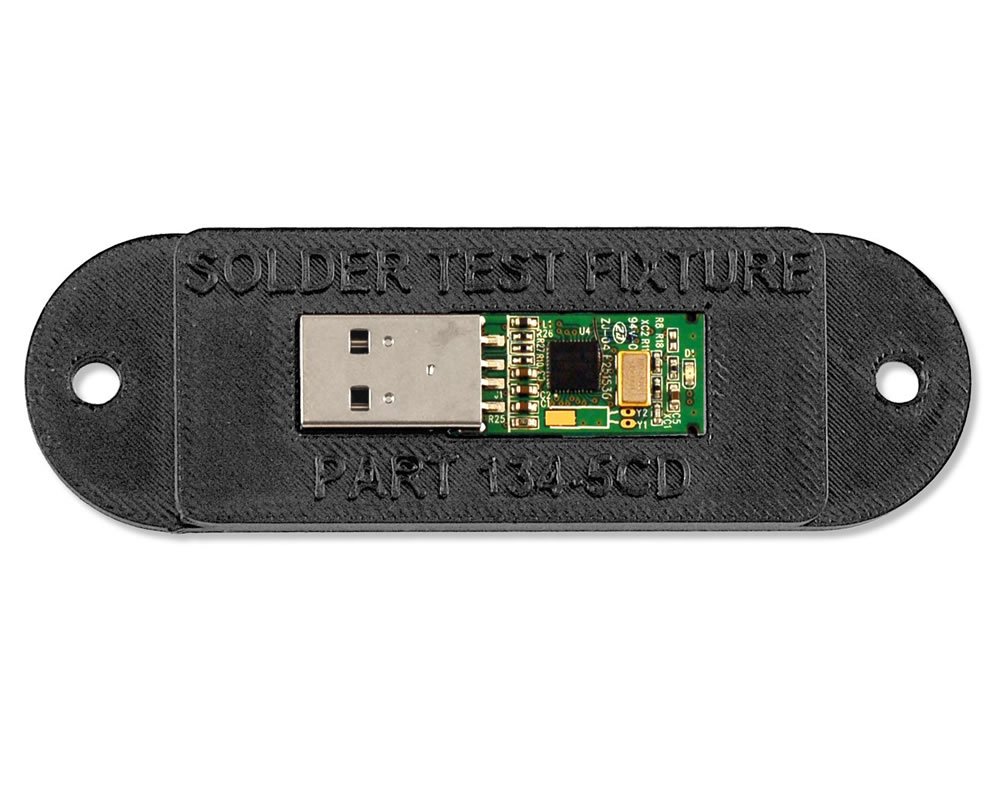
ABS-ESD7 solder test fixture
ABSi
This material is made for conceptual modeling, digital manufacturing and functional prototyping. The superior strength to ABS and transparent nature allows for flow and light transmission to be monitored. These features make ABSi the best ABS solution for medical and automotive industries.
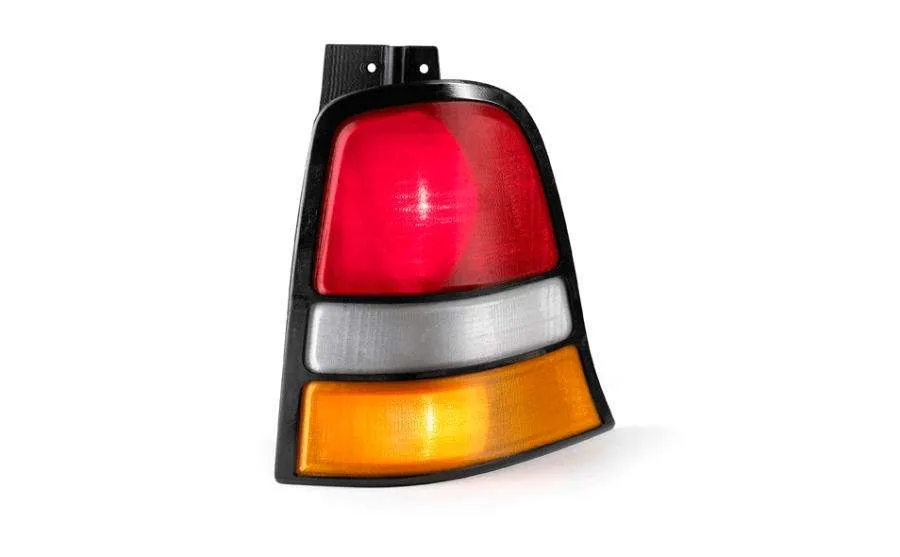
ABSi taillight
ABS-M30
The strength of a material is important for functional prototyping, manufacturing tools, production parts and concept models. This material is up to 25-70 percent stronger than standard ABS. It also exceeds standard ABS with greater tensile, impact, flexural strength and stronger layer bonding. All of these features, combined with a higher quality and more realistic print, showcase that ABS-M30 is superior to standard ABS material.

ABS-M30 rocket model
ABS-M30i
The high strength nature of this material makes it ideal for the medical, pharmaceutical and food packaging industries. Parts manufactured with ABS-M30i material are biocompatible (ISO 10993 USP Class VI) and can be gamma or EtO sterilized.
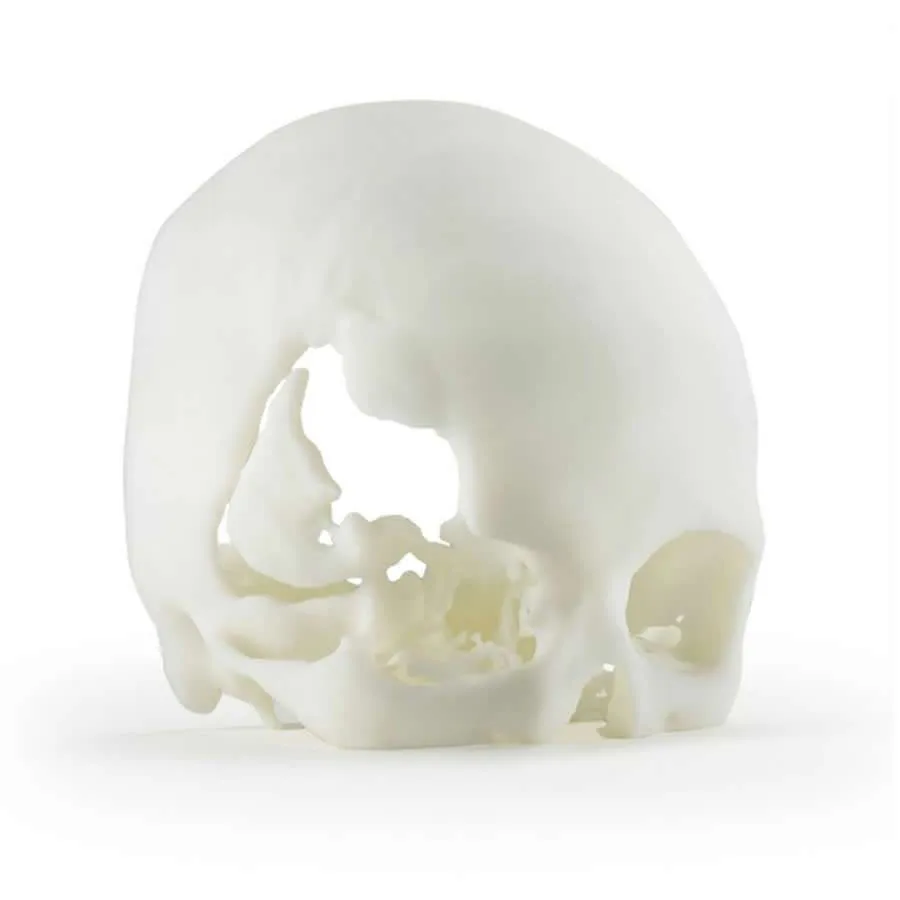
ABS-M30i 3D printed skull
ABS-CF10
Stratasys ABS-CF10 combines standard ABS (acrylonitrile butadiene styrene) material with 10% chopped carbon fiber by weight. The result is a low moisture-sensitive FDM® thermoplastic 50% stiffer and 15% stronger than standard ABS 3D printing material. Typical applications include manufacturing tools, jigs, fixtures and end effectors that benefit from the combination of increased stiffness and reduced weight.
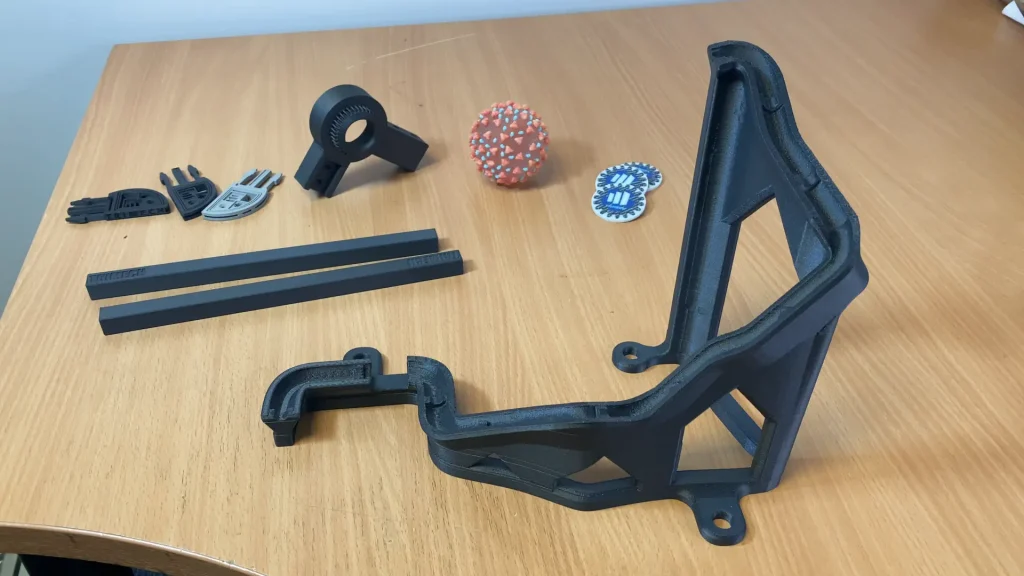
Stratasys ABS-CF10 material
PC-ABS
PC-ABS is a high-impact, low-volume engineering thermoplastic that creates stronger parts that mimic the material properties of the final product. PC-ABS combines the strength and heat resistance of PC and the flexibility of ABS. This blend is 5-60% stronger than standard ABS. It is currently only available in black. This makes it ideal for producing durable parts for projects like industrial equipment manufacturing. The SR110 dissoluble support material is easily removed by leaving it in a detergent bath for a few hours. PC-ABS blends are commonly used in telecommunications, automotive and electronic applications.
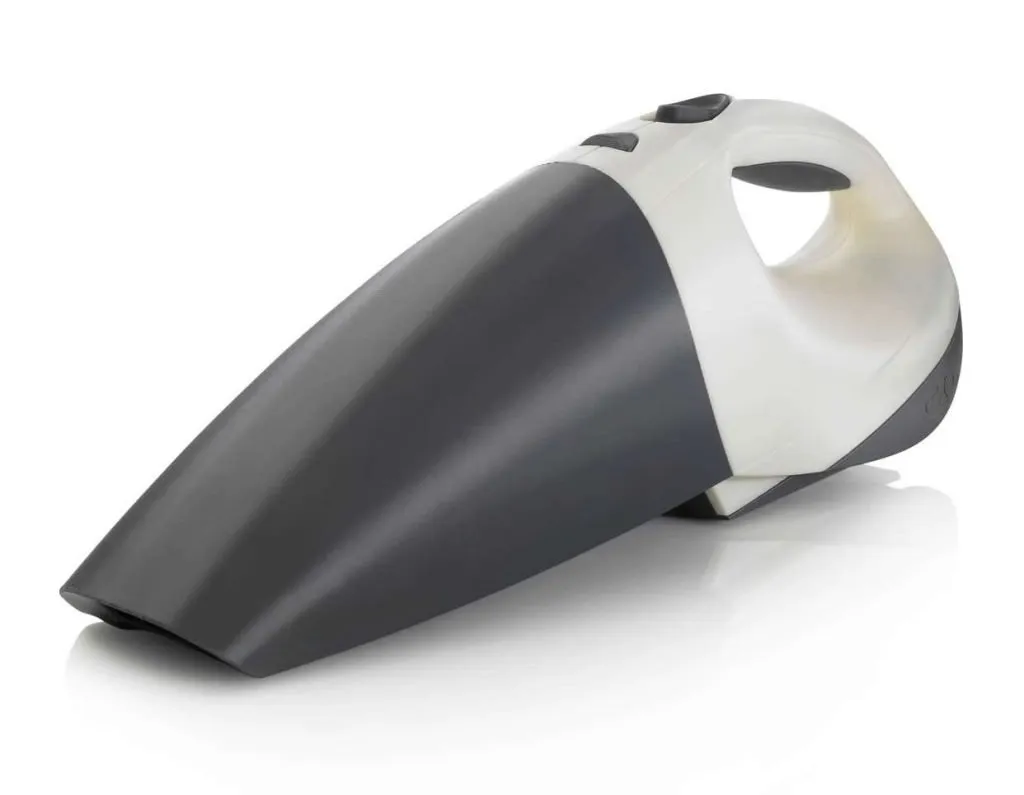
PC-ABS Hand Vac
ABS vs ASA vs PLA vs PETG
ABS is often compared with several other popular 3D printing materials like PLA, ASA, and PETG. Below is a quick comparison of these four materials:
| ABS | ASA | PLA | PETG | |
| Strength | High, Impact-resistant | High, Impact-resistant, UV-resistant | Low, Brittle | High, Impact-resistant |
| Heat Resistance | High (up to 100°C) | Very high (better UV resistance) | Low (softens around 50°C) | Moderate (better than PLA) |
| Ease of Use | Moderate (warping) | Moderate (similar to ABS) | Easy (low warping) | Easy (minimal warping) |
| UV Resistance | Poor | Excellent | Poor | Moderate |
| Environmental Impact | Not biodegradable | Not biodegradable | Biodegradable | Not biodegradable |
| Printing Temperature | 220–250°C | 240–260°C | 180–220°C | 220–250°C |
| Best for | Functional parts, high-temp applications | Outdoor parts, UV-resistant applications | Decorative models, prototypes | Functional, durable, flexible parts |
| Flexibility | Low (Brittle) | Low (Brittle) | Low (Brittle) | Moderate (Flexible) |
| Print Bed | Heated bed required | Heated bed required | Can print without heated bed | Heated bed recommended |
FAQ’s
What support material is required for ABS?
For prints that have overhangs, bridges, or complex geometries that cannot be printed without additional structure to prevent sagging or collapsing, support material is often required. Using ABS as both your model material AND your support structure is the most common option, especially on single extruder printers, though this will lead to part quality issues, as ABS bonds to itself quite well, and removing the support by hand will be difficult, and can damage these surfaces.
In order to achieve a better surface finish, on machines that utilize two extruders, look to use a soluble support filament to enable a clean release from the printed part, such as PVA on hobbyist systems. Soluble supports typically use either a water bath, or a chemistry bath (such as that used with the Stratasys SR-30 and QSR support filaments), and often take between 30 to 120 minutes to dissolve from most parts.
Is ABS material safe?
In general, ABS is not classified as hazardous under normal handling conditions but should be treated with care, especially during the heating process. When heated, ABS can release fumes that include potentially harmful substances like styrene. It’s recommended to print ABS in a well-ventilated area or use a printer with an enclosed chamber and filtration system to reduce exposure to these fumes.
Can ABS be used outdoors?
Yes, ABS can be used outdoors, but it does have some limitations. ABS is resistant to environmental factors like moisture and temperature changes, but prolonged exposure to UV light (sunlight) can cause the material to degrade, leading to color fading and brittleness over time. To improve outdoor durability, ABS items can be treated with UV-resistant coatings to protect against the elements.
Is ABS material recyclable?
Yes, ABS is recyclable. It can be melted down and reused in the production of new ABS products. But due to its mixed chemical composition and the difficulty of sorting and separating it from other materials, recycling ABS can be labor and resource intensive. Multiple cycles of heating and cooling might also degrade the quality.
Conclusion
ABS remains one of the most versatile and widely used materials across various industries, from consumer goods to automotive and medical devices, thanks to its balance of strength, flexibility, and affordability. Its excellent impact resistance, ease of processing, and ability to be molded into vibrant, glossy finishes make it a top choice for 3D printing, prototyping, and manufacturing functional parts. However, its limitations, including UV degradation, temperature sensitivity, and warping during 3D printing, require careful consideration and the use of best practices to ensure optimal results.
We hope this list of ABS pros and cons has been helpful. If you’re interested in exploring more materials, take a look at our 3D printing materials selection and feel free to reach out to us.

Written by Sophie Jin
Sophie (Huiyu) Jin is an SEO/PPC Specialist at TriMech, where she focuses on digital marketing strategies for their additive manufacturing and CAD business units.
Prior to joining TriMech, Sophie worked as a business journalist both in Canada and China, covering various industries, particularly tech companies.
Related TriMech Solution
Learn more about the solutions featured in this Article:
Need a Quote for Advanced Manufacturing?
Contact a TriMech manufacturing expert today and get answers to your questions
Related Content
More advanced manufacturing content from the TriMech team