




Why Anodizing Metal Parts is the Answer for Durability & Performance

Anodizing parts has long been a process utilized to enhance the mechanical properties of metal parts. In industries where strength, reliability, and longevity are non-negotiable, the quality of metal parts can make or break a product’s performance. Anodizing offers a proven solution to improve a metal’s resistance to corrosion, wear, and environmental damage.
In this article, we’ll explore what anodizing metal is, the industries and applications that rely on it, the key benefits it offers, and how the anodizing process works. Whether you’re designing for aerospace, electronics, automotive, or architectural use, understanding anodizing can help you make better decisions for long-term durability and reliability.
What is Anodizing Metal?
Anodizing Metal is the electrochemical process that thickens the natural oxide layer on reactive metals. The oxide layer protects the metal layer by binding, and at the same time, it increases performance and capabilities for different applications. Moreover, it is also a way to protect the metal from being eroded and prevent the iron oxide layer, which is commonly known as rust.
The practice of adding an outer oxide layer to a metal is equivalent to “roasting a marshmallow.” The coating hardens the surface and offers protection to the core without actually causing any damage. This is why anodizing brings many performance and durability-enhancing features of metal parts to the surface.

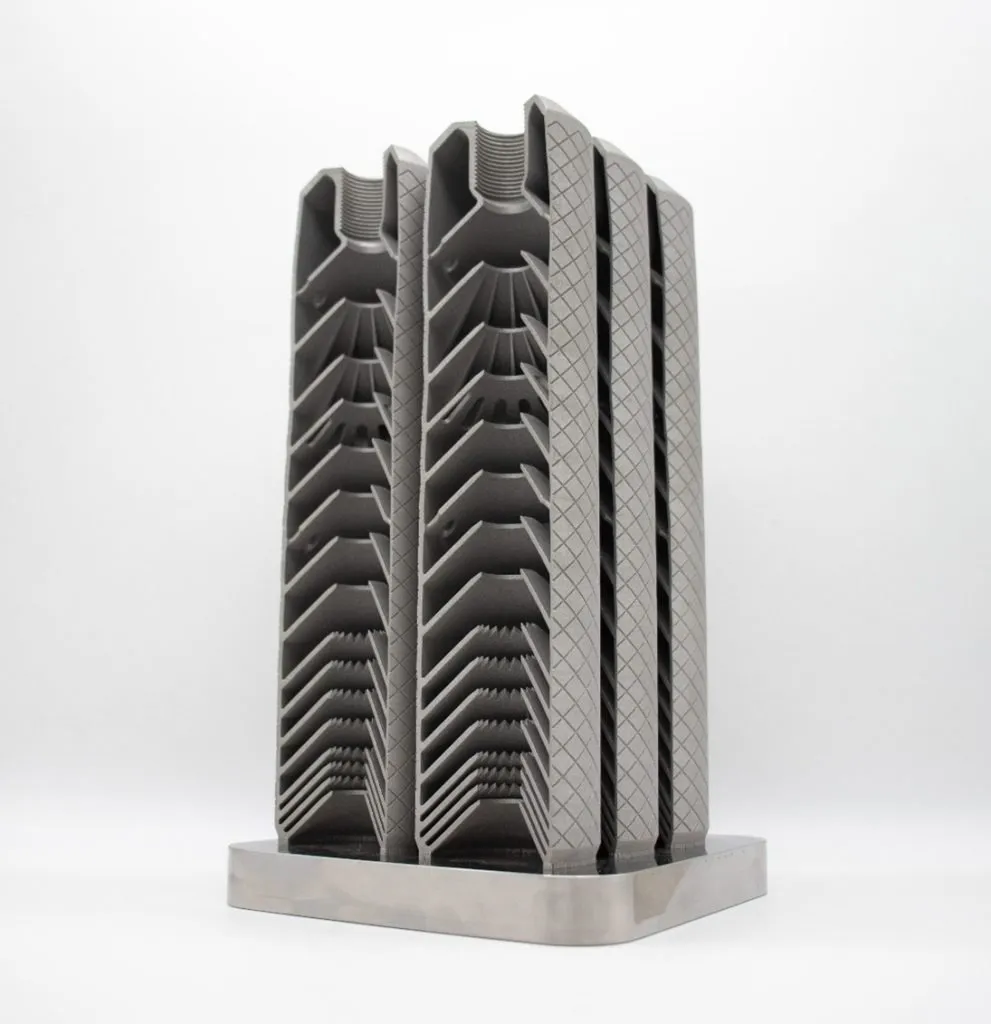
Sea Post Clamp. From CAD to Metal Anodized Part
Who Needs Anodized Metal Parts?
Anodization helps increase metals performance, but which industries have the most impact? Regarding anodization, the following industries use this process to strengthen their metals while ensuring each part’s longevity and safety!
Aerospace & Aviation:
In aerospace and aviation industries, aluminum and cast aluminum are commonly anodized on the outer surface to ensure longevity and safety. This is common to prevent everyday wear and tear like weathering and harsh environmental conditions while maintaining a colorful and consistent long-term finish!
Medical & Healthcare:
Once anodized, materials like titanium Ti-64 grade 23 are inherently biocompatible. With this material, we can sufficiently improve electrical and thermal conductivity, antimicrobial properties that improve sanitation, and radiopacity to prevent radiation. Anodizing enhances corrosion resistance and mechanical properties and ensures patient safety.
Industrial & Manufacturing:
Anodizing can improve wear resistance and create industrial tools and mechanical components that can withstand physically demanding operating conditions.
When Should I Consider Anodizing a Part?
Anodizing is a great way to enhance metal’s surface properties. But it’s also important to decide early in project planning, ideally around material selection and the design phase, if this anodization is the best for your project.
It’s also essential to understand when not to anodize. Materials such as stainless steel, Inconel 718, and Inconel 625 have an intentionally created chromium oxide layer at higher temperatures. These chromium atoms move to the surface at a high enough temperature to react with oxygen and form a thin protective layer.
Fun fact! Titanium Dioxide is, in fact, one of the main ingredients in sunscreen. The chemical efficiently scatters UV (Ultraviolet) rays away from your skin, thus shielding it against radiation and solar exposure. Utilizing anodization, we can control the same oxidation process and transform the metal reactions into thicker layers in reactive metals.
Anodizing with TriMech Advanced Manufacturing
Looking to anodize your critical-use parts? Our Advanced Manufacturing team at TriMech can help you discover the correct materials and custom part finishing for your projects!
- Full-Service Manufacturing Support: From 3D printing to post-processing, we provide a seamless experience.
- Anodizing Solutions: Whether you need improved wear resistance, help determining the best material, or biocompatibility, we can help you optimize your parts for peak performance.
- High-End Printers/Technology: We work with our metal 3D printing partners to create your complex parts with the surface finish you desire!
What Are the Benefits of Anodizing?
Corrosion & Wear Resistance: Anodizing is a great tool to prevent corrosion. It converts refined metal into a stable oxide. One of the most common forms is rust. Anodizing is almost like a sealing process, protecting inner metals from oxidizing.
Improved Biocompatibility: Some materials, such as titanium Ti-64 grade 23, are naturally biocompatible, making them suitable for interaction with the human body without causing adverse reactions or immune rejection. Mechanical strength and long-lasting performance are still in the mix.
Increased Strength & Scratch Resistance: The anodized layer hardens the surface, reducing wear and tear. It extends the part’s lifespan, particularly for high-use and high-stress applications.

Bike Stem OCM Anodization Test Part (Before Anodization)
The Anodizing Process for Metal 3D Printed Parts
Step 1: Surface Preparation
The top priority is completing a cleaning session to remove the rough and polyamide powder layer to execute uniform and perfect anodizing. For the 3D-printed parts, this usually means removing surface porosity to make a smooth surface. Any inconsistency or flaws on the surface can lead to a non-uniform anodization process that can decrease the quality and thickness of the protective oxide layer.
Step 2: Electrolytic Bath
The electrolytic bath demands that first; you dip the metal part in the acidic electrolytic solution, which is often mixed with TSP power. The part is then electrically connected to the positive side of your power source. Opposite the node is a flat stainless-steel plate. When the electrolytic bath gets the electricity, the oxygen atoms rush to the surface of the metal to come together and create the oxide layer quickly. It is essential to control the amount of voltage used as, depending on the voltage you have in your electrolytic bath, you can get your metal part more or less anodized.
Step 3: Coloration Options
Do you want a colored metal anodized part? Before starting, it is essential to consider which material is used for the specific metal part. Due to their thickness and durability, materials such as titanium are easier to anodize than aluminum.
The variety of colors achieved through anodizing is directly tied to the thickness of the oxide layer. For example, increasing the electrical voltage for titanium adjusts the oxide layer’s properties, creating colors across the spectrum.
Hardness Variations: Adjust the voltage and the electrolyte composition during anodizing. It can influence the surface’s hardness. Higher voltages create thicker oxide layers, improving scratch resistance and durability in harsh environments.
Step 4: Sealing for Protection
The final step in the anodizing process is sealing. This is where the anodized layer starts to close the pores of the aluminum oxide layer. This seal solution locks in pigments for colored finishes and further enhances the surface’s resistance to environmental damage, such as corrosion or wear. Think of the seal as almost a “coating layer” that repels grease and oil stains.
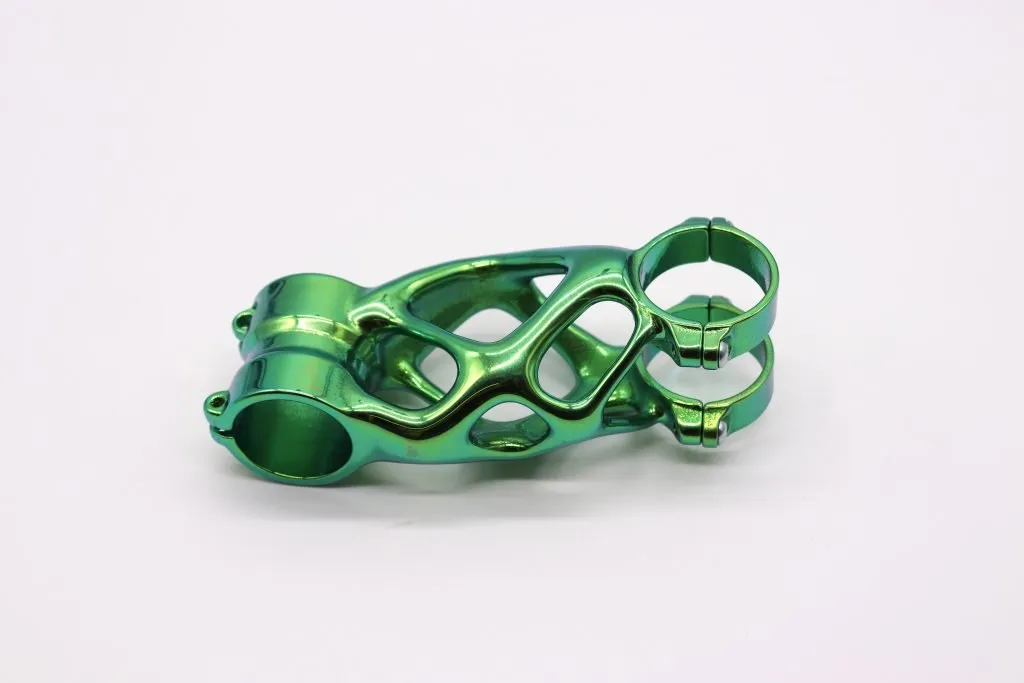
OCM Anodizing Metal Part
How Long Does the Anodizing Process Take?
The lead time for anodizing a part can vary from hours to weeks depending on various parameters, including part complexity, material, color, finish requirements, and quantity. The timing can vary based on the part’s details, designs, and thickness.
The type of metal being anodized plays a vital role in determining the timing of the process. The time can solely vary on the resistance level to the electrochemical reaction, ensuring the color consistency and thickness coating specifications. Usually, titanium takes longer to anodize than aluminum due to its higher resistance to the electrochemical reaction.
Conclusion: Choosing TriMech Anodizing Metal Parts
This electrochemical process is the best choice for creating thicker natural oxide layers that prevent corrosion, improve durability, and enhance performance without harming the internal metal layer you are working with. It is a process that assures a high-performing product through material selection and quality, performed at the ensuring consistent quality most efficiently.
If you have a project that needs outsourcing for anodizing, check out our Advanced Manufacturing Team. We offer expertly applied finishing options to improve components’ mechanical and aesthetic properties. Meet with a consultant about anodizing and get a quote today!
Related TriMech Solution
Learn more about the solutions featured in this Article:
Need a Quote for Advanced Manufacturing?
Contact a TriMech manufacturing expert today and get answers to your questions
Related Content
More advanced manufacturing content from the TriMech team